May 6, 2026
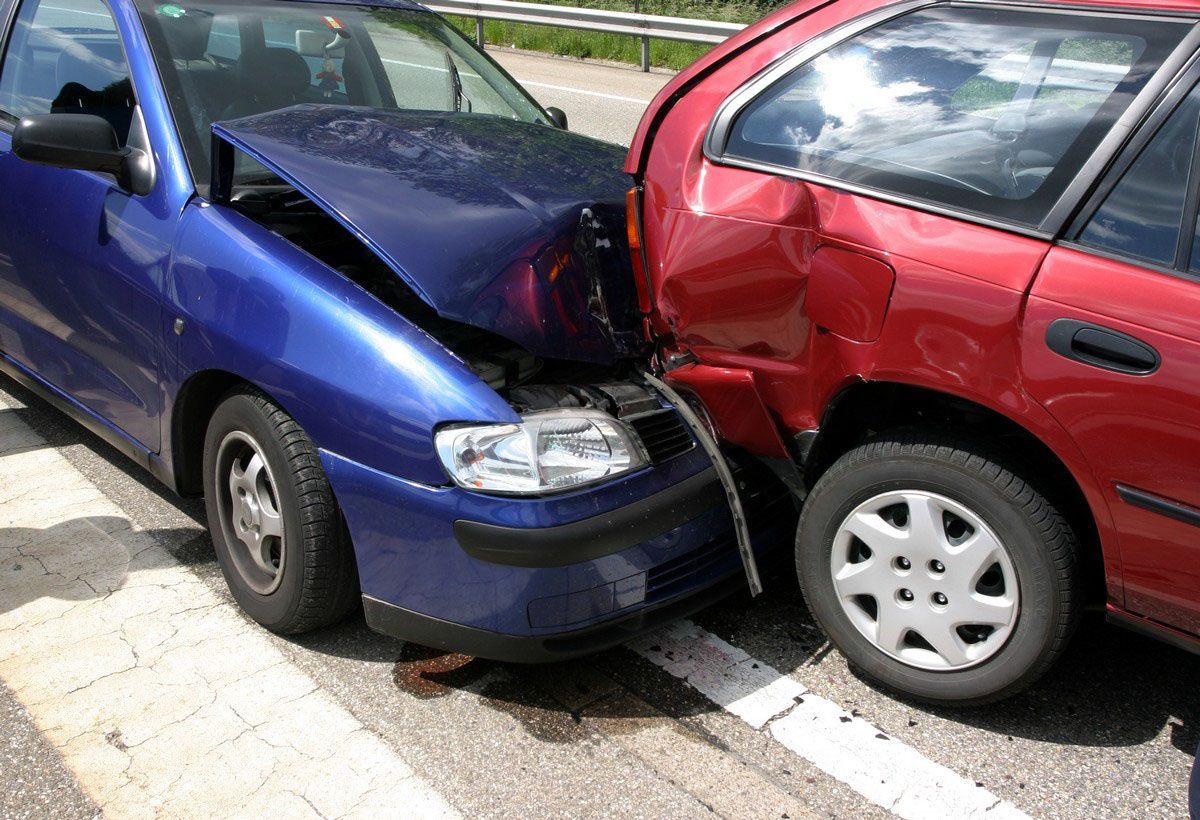
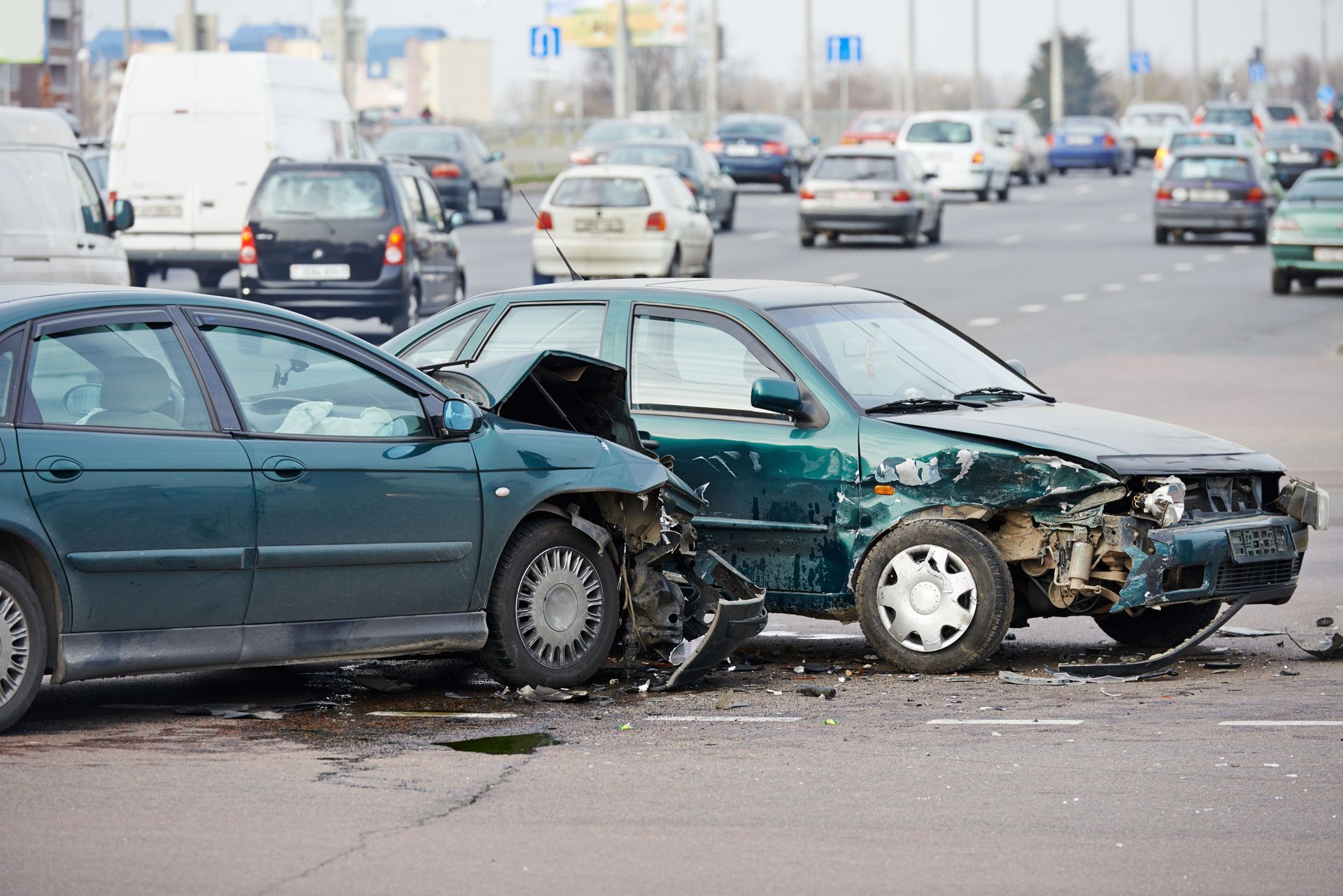
After a vehicle accident, damage is rarely limited to what is visible on the surface. Even a minor impact can affect structural alignment, safety systems, and internal components in ways that are not immediately obvious. This is why understanding the role of a collision repair service is essential for any vehicle owner dealing with post-accident recovery. It is not just about restoring appearance—it is about restoring safety, performance, and long-term reliability.
A professional collision repair service follows a structured process that ensures every layer of damage is identified and addressed. From diagnostics to refinishing, each stage is designed to bring the vehicle back to its pre-accident condition. Skipping or delaying repairs can lead to further complications, reduced safety, and higher long-term costs, making timely repair a practical necessity rather than an option.
Assessing Damage and Evaluating
The first stage in any collision repair service is a detailed assessment of the vehicle’s condition. Technicians examine both visible and hidden damage to understand the full scope of what needs repair. This often includes computerized diagnostics, frame measurement systems, and visual inspections to ensure nothing is overlooked. A complete evaluation helps determine whether structural, mechanical, or cosmetic repairs are required.
At this point, a collision repair service creates a repair plan outlining necessary steps and estimated costs. This gives vehicle owners a clearer understanding of what to expect moving forward. It also ensures insurance providers and technicians are aligned before work begins, reducing delays and miscommunication.
Many drivers underestimate how much hidden damage can occur after an accident. What appears to be a minor dent may indicate deeper structural issues underneath. This is why a professional collision repair service relies on more than surface-level inspection and uses advanced tools to uncover hidden concerns. In addition, accurate evaluation helps prioritize safety-related repairs. Structural integrity, airbag systems, and frame alignment are reviewed first to ensure the vehicle is safe to operate once repairs are complete.
Coordinating Insurance and Authorizing
Once damage has been assessed, the next step in the collision repair service process involves working with insurance providers. This stage is critical because it determines how repairs will be approved, covered, and scheduled. Repair facilities often communicate directly with insurance adjusters to ensure estimates are accurate and approvals are processed efficiently.
According to Amica Insurance, around 1.7 million rear-end collisions take place in the U.S. each year. This high volume highlights why insurance coordination plays such a significant role in the collision repair service process. With so many claims being processed, clear communication helps reduce delays and keeps repairs moving forward.
During this stage, vehicle owners also authorize the repair work. This approval ensures all parties agree on the scope of repairs and associated costs. Without authorization, no collision repair service can proceed, as it protects both the customer and the repair facility. Insurance coordination also clarifies coverage details. Depending on the policy, certain parts or procedures may be covered differently, and understanding these details early helps avoid unexpected costs later.
Selecting Parts and Sourcing
Part selection is another essential stage in a collision repair service, as it directly impacts performance and cost. Technicians typically choose between OEM parts and aftermarket alternatives. OEM parts match factory specifications, while aftermarket options may offer savings but vary in fit and quality.
A professional collision repair service evaluates which option best suits the vehicle’s condition and the owner’s expectations. In many cases, OEM parts are preferred for safety-critical components, while aftermarket parts may be used for less sensitive repairs. This balance ensures reliability and cost efficiency.
Sourcing parts can influence repair timelines. Some components are readily available, while others require ordering from specialized suppliers. A well-established collision repair service maintains strong supplier relationships to reduce delays and keep work moving smoothly.
Vehicle owners often appreciate being included in these decisions. Clear communication about part selection builds trust and ensures there are no surprises when the final bill is presented. It also helps drivers understand how each choice impacts repair quality.
Dismantling and Repairing
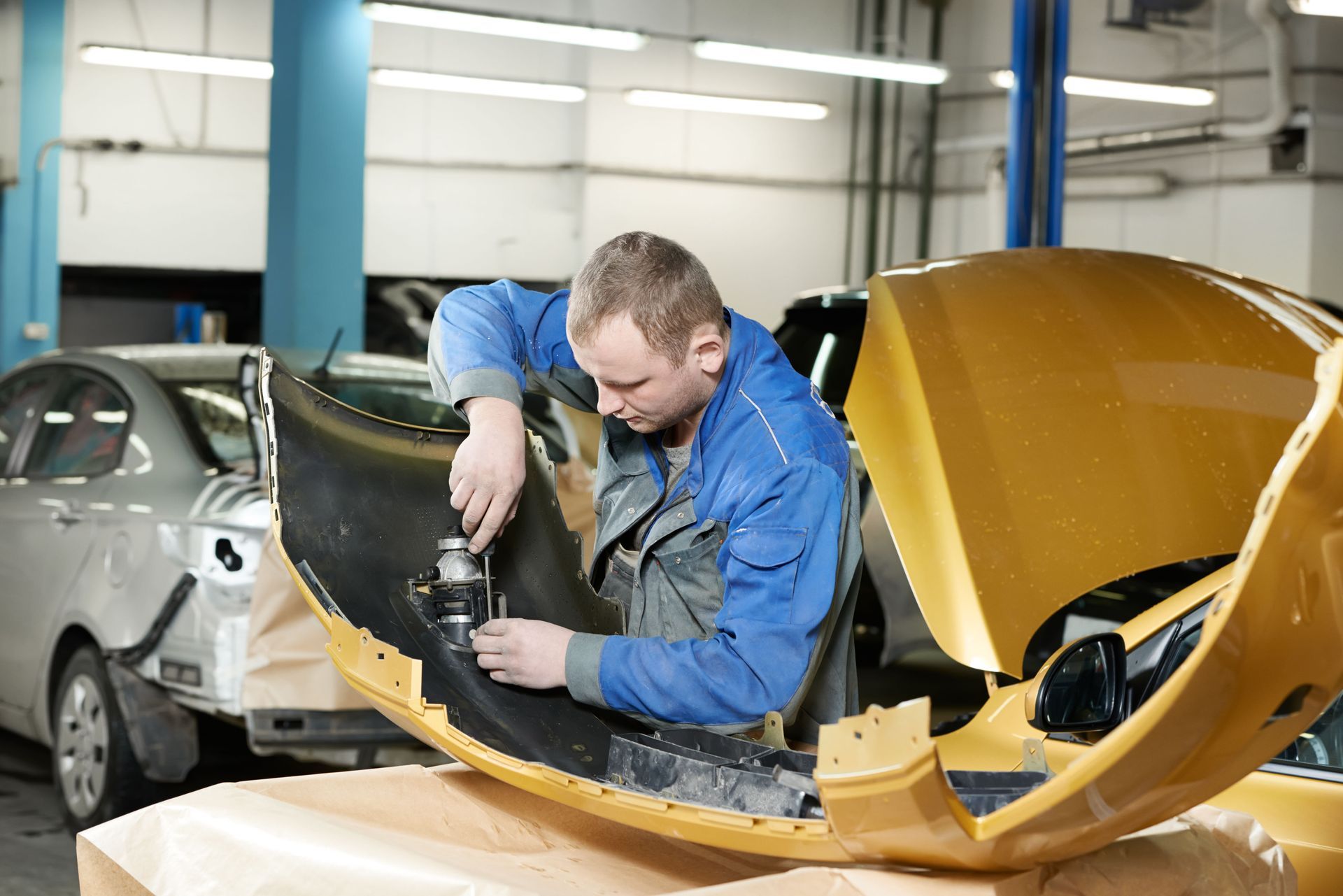
Once parts are available, the vehicle moves into the dismantling phase of the collision repair service process. This involves carefully disassembling affected areas to reveal hidden damage that may not have been visible during initial inspections. This step is critical for ensuring no structural or mechanical issues are missed.
After dismantling, technicians begin repair work. A collision repair service may involve frame straightening, panel replacement, welding, or mechanical adjustments depending on damage severity. Each repair is performed with precision to restore original specifications.
Modern vehicles also require attention to electronic systems. Sensors, cameras, and onboard computers often need recalibration after an accident. A professional collision repair service ensures these systems are restored correctly so safety features continue functioning as intended. Throughout this stage, accuracy is prioritized. Even small misalignments can affect performance, so technicians follow manufacturer guidelines to ensure everything is restored properly before moving forward.
Refinishing and Reassembling
After structural and mechanical repairs are complete, the vehicle enters the refinishing stage of the collision repair service process. This includes surface preparation, painting, and color matching to ensure repaired areas blend seamlessly with the original finish. Proper refinishing also protects against corrosion and long-term wear.
Reassembly follows refinishing, where all removed components are carefully reinstalled. A collision repair service ensures each part fits correctly and functions as intended, including doors, panels, trim pieces, and mechanical systems.
Attention to detail is essential during this stage. Misaligned panels or improper installation can lead to wind noise, leaks, or reduced performance. A thorough collision repair service checks every detail to ensure full restoration. Once reassembly is complete, the vehicle is cleaned and detailed. This final step ensures the car is returned in a condition that reflects quality workmanship and professional care.
Inspecting Quality and Testing
Before return, a collision repair service conducts a full quality inspection. This ensures all repairs meet safety standards and manufacturer specifications. Technicians check structural integrity, mechanical systems, and cosmetic finishes to confirm everything has been restored correctly.
Road testing is also included. It allows technicians to evaluate vehicle performance under real driving conditions. A collision repair service uses this step to identify issues such as alignment problems, noises, or system malfunctions.
Safety systems receive special attention. Airbags, braking systems, and electronic sensors are tested to ensure proper function. Any issues found are corrected before release. This final evaluation ensures the vehicle is not only visually restored but also safe and reliable for everyday use.
Delivering Vehicles and Following Up
The final stage of a collision repair service involves returning the vehicle and providing post-repair support. Before delivery, technicians review completed work and explain repairs performed. This transparency helps build confidence in the service.
A collision repair service typically includes warranty coverage for parts and labor, offering added peace of mind if issues arise later. This reduces stress and unexpected costs for vehicle owners. Follow-up support is also common. Repair facilities may check in after delivery to ensure everything is functioning properly. This ongoing communication reinforces trust and satisfaction.
Collision repair is necessary after an accident because damage often extends beyond what is visible. A structured collision repair service ensures structural, mechanical, and cosmetic issues are properly restored for safety and reliability. Delaying repairs increases risk and long-term cost.
Understanding the process helps vehicle owners make informed decisions and reduces uncertainty after an accident. From inspection to final delivery, each stage plays a critical role in restoring the vehicle correctly. For dependable service and professional care, Somerset Collision.