May 28, 2026
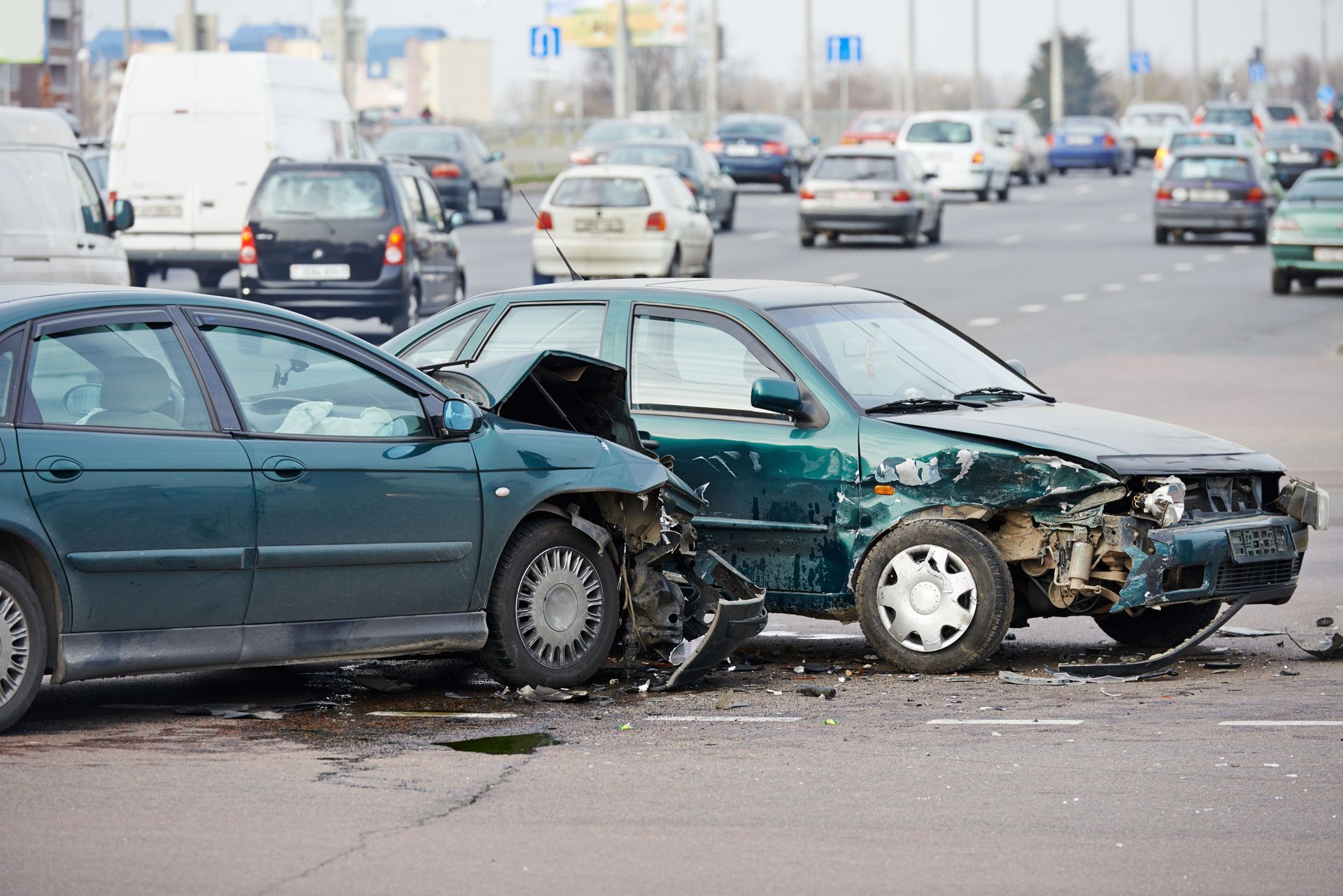
Car collisions are an unfortunate part of driving, leading to various degrees of damage. While repairs often depend on the severity of the accident, certain vehicle components are frequently repaired or replaced in the aftermath. Understanding these common repairs can help vehicle owners anticipate potential costs and facilitate better communication with repair technicians.
1: Bumpers
Analyzing Material Vulnerability
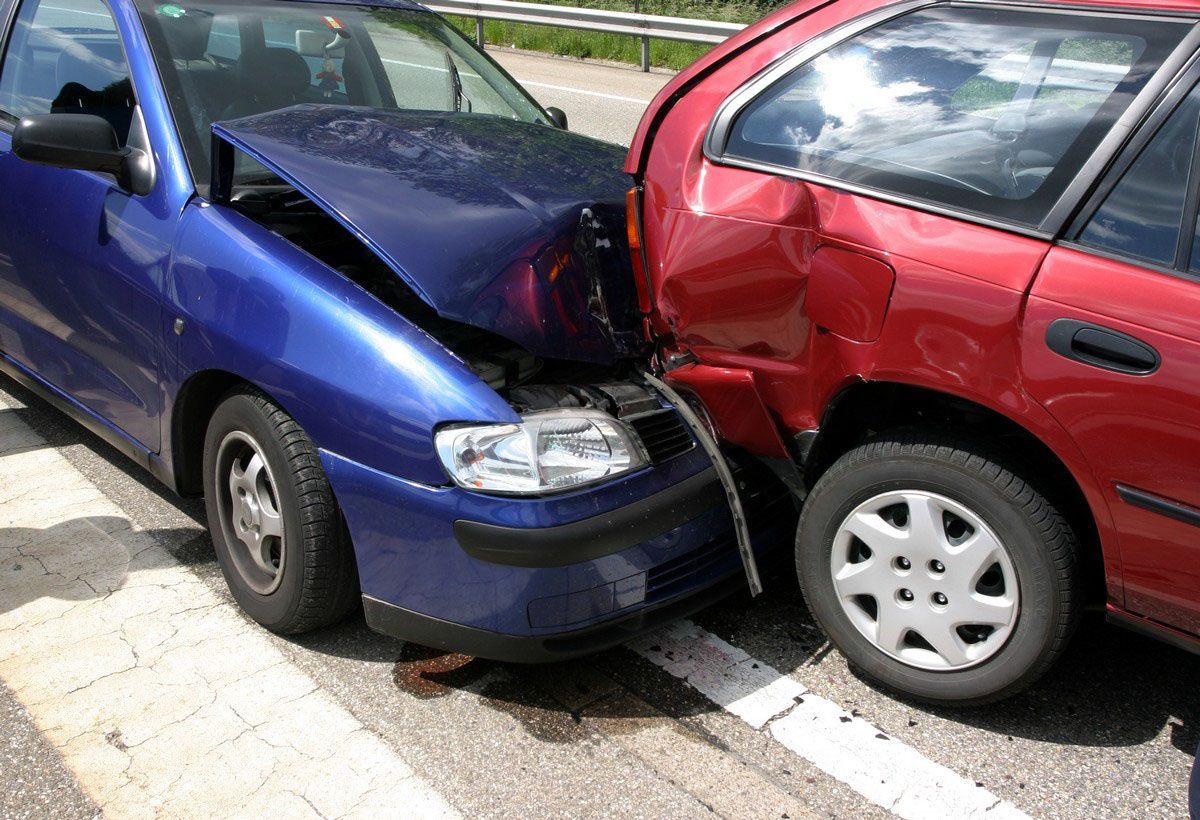
Bumpers are an integral part of a vehicle’s safety system, typically composed of plastic reinforced with steel, aluminum, or fiberglass. Their main purpose is to absorb impact during an accident, thereby mitigating damage to the vehicle and its occupants. Due to their positioning, bumpers are inherently vulnerable to front and rear-end collisions. Modern bumpers sometimes incorporate sensors and cameras, which adds to their complexity. Given the distinct materials used in manufacturing, overall structural repairability can vary wildly, directly impacting the decisions made during a professional collision repair service.
Implementing Diagnostic Techniques
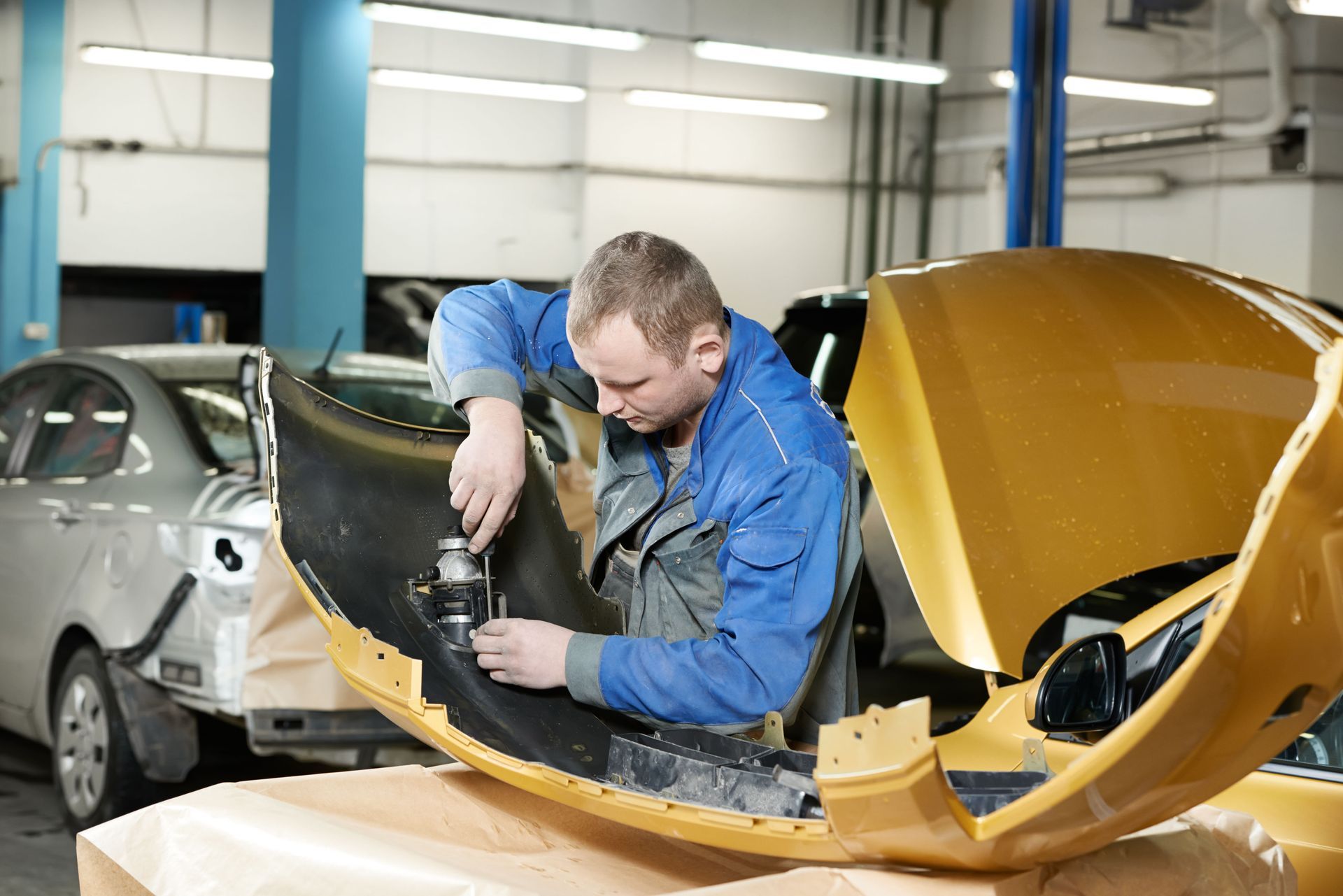
Assessing bumper damage starts with a visual inspection to identify cracks, dents, and surface scratches. More advanced techniques, such as bumper removal, allow technicians to inspect hidden damage that could affect internal components like mounting brackets or safety sensors. Digital tools, like 3D imaging, have revolutionized modern damage assessment, allowing for precise evaluations and tailored repair plans.
Deciding Repair Versus Replacement
Decisions on repairing versus replacing a bumper largely depend on the severity of the damage and cost considerations. Minor dents and scratches may be cosmetically repaired, while major structural damage often necessitates complete replacement for safety reasons. As bumpers with integrated safety technology become standard, replacements can incur higher costs due to the complex components involved. Insurance may cover some or all of these costs, but it’s important for vehicle owners to understand their policy specifics.
2: Fenders
Evaluating Safety Functions
Fenders serve both aesthetic and protective functions on a vehicle. Designed to frame the wheel well, they help prevent road debris from being thrown into the air and damaging the vehicle or posing a hazard to other drivers. Their position makes fenders highly susceptible to side impacts and minor scrapes, which are common occurrences in tight urban environments.
Identifying Impact Scenarios
Fender damage typically occurs in parking lots, during low-speed side collisions, or as a result of poor road conditions, leading to minor accidents. Side swiping and impacts from indirect collisions can also significantly distort fenders, necessitating an immediate collision repair service. According to Amaro, 19,937 car crashes occur each day, meaning fender benders and low-speed side impacts represent a massive portion of daily body shop volume. Although fender damage is often less structurally severe compared to other components, its frequency is much higher due to daily driving scenarios. Understanding these common impact scenarios helps owners anticipate the type of work needed and ensure comprehensive insurance coverage.
Processing Different Materials
Metal and plastic fenders require distinct repair techniques reflective of their unique material properties. Metal fenders, primarily steel or aluminum, can often be reshaped and repainted, though this can be labor-intensive. Plastic fenders, while easier to shape and mold using specialized heat tools, may require a full replacement if they suffer from severe structural cracking.
3: Headlights and Taillights
Sustaining Illumination Integrity
Headlights and taillights are crucial for vehicle safety, ensuring visibility and communication with other drivers on the road. During collisions, these exterior components are highly vulnerable to breakage, instantly impacting their functionality and compromising safety.
Reviewing Quality Standards
Headlights and taillights must adhere to stringent regulatory standards concerning brightness, beam pattern alignment, and color temperature. Post-collision work must meet these rigid benchmarks to ensure legal compliance and optimal vehicle performance. Flawed restorations that do not meet these standards may compromise night visibility and result in legal citations. Consequently, it's critical to utilize a certified collision repair service knowledgeable about these standards.
Upgrading Lighting Technology
Recent advancements in automotive lighting technology, including LED and adaptive lighting systems, offer enhanced road illumination and energy efficiency. These technologies, while beneficial, introduce significant complexity to post-collision work due to specialized components and system calibration requirements.
4: Suspension Components
Balancing System Importance
The suspension system is vital for providing a smooth and stable ride, absorbing shocks from uneven surfaces, and ensuring tire contact with the road. During a collision, suspension components can sustain massive damage due to the impact’s stress transferring directly into the vehicle’s undercarriage. This structural damage can result in poor handling, rapid tire wear, and impaired vehicle control, posing immediate safety risks. Therefore, evaluating the suspension system is a vital component of a comprehensive collision repair service to restore baseline safety.
Diagnosing Undercarriage Damage
Detecting suspension damage after a collision involves thorough physical inspection and digital diagnostics, often requiring specialized tools and alignment machines. Signs of suspension damage include unusual knocking noises, pulling to one side, and decreased ride comfort, all of which warrant immediate attention.
Restoring Mechanical Parts
Repairing suspension components involves a variety of techniques, from realigning axles to replacing worn-out parts like shock absorbers, struts, and ball joints. In cases of severe impact, entire subframe assemblies may require total replacement to restore full structural functionality and safety. For vehicle owners, understanding cost implications and the warranties associated with suspension parts is essential for informed decision-making.
5: Radiators and Cooling Systems
Managing Engine Temperatures
Radiators and cooling systems are indispensable for maintaining optimal engine temperature and preventing catastrophic overheating. Front-end collisions can easily compromise these forward-facing systems, leading to fluid leaks and reduced cooling capacity, which adversely affects engine performance and longevity. Evident or hidden damage can lead to costly engine rebuilds if unaddressed.
Maintaining an intact cooling system is an essential focal point during a collision repair service to ensure engine health, especially given the complex powertrain architectures found in modern vehicles.
Spotting System Leaks
Visible signs of cooling system damage include bright fluid puddles under the car, rapid loss of coolant, and obvious physical bending of the radiator core or hoses. However, minor hairline cracks are not always immediately visible, necessitating the use of specialized diagnostic tools such as pressure tests and thermal imaging. Identifying leaks and structural inefficiencies early can prevent severe block damage and is vital for maintaining engine health.
Replacing Cooling Elements
The decision to mend or replace cooling system components depends on the exact location and severity of the damage. Minor punctures in lines might be resolved through patching or replacing small hoses, while extensive core deformation necessitates replacing larger sections, like the entire radiator unit. Innovations in radiator and cooling system design continue to simplify and expedite the swap process, though these can introduce variations in part costs.
6: Windshields and Windows
Securing Passenger Safety
Windshields and windows play a critical role in vehicle safety, offering vital structural integrity and protection to occupants. During a collision, these glass components are highly prone to cracking or shattering, compromising the cabin safety envelope. The structural integrity of the windshield is especially essential for proper front airbag deployment and roof support during a rollover accident. Given their immense structural importance, timely replacement of damaged automotive glass is crucial for restoring the vehicle's original safety ratings and protecting everyone inside.
Categorizing Glass Damage
Windshield damage often manifests as spiderweb cracks, small stone chips, or complete shattering, common in both major crashes and minor incidents involving road debris. Small chips can often be filled with clear resin if caught early, while larger cracks running across the viewable area frequently necessitate a complete glass replacement. Factors like the size, depth, and position of the damage relative to driver sightlines influence these decisions.
Utilizing Modern Adhesives
Modern technology has advanced windshield restoration techniques, including vacuum-sealed resin injection for minor chips and enhanced polyurethane adhesives for structural bonding. These modern methods increase efficiency and often eliminate the need for a full replacement, reducing out-of-pocket costs. Regulatory compliance ensures glass safety standards are met, with professionally conducted work fully restoring structural integrity. Choosing a certified collision repair service for glass work guarantees that advanced driver assistance systems (ADAS) cameras mounted on the windshield are properly recalibrated.
With the growing number of vehicles on the road, the likelihood of accidents increases, making awareness of common repair needs crucial. Balancing cost, safety, and technological advancements ensures a proactive approach to vehicle maintenance and longevity post-collision. To ensure your vehicle is restored safely and professionally by certified experts, trust your vehicle to the professionals at Somerset Collision.