March 3, 2026
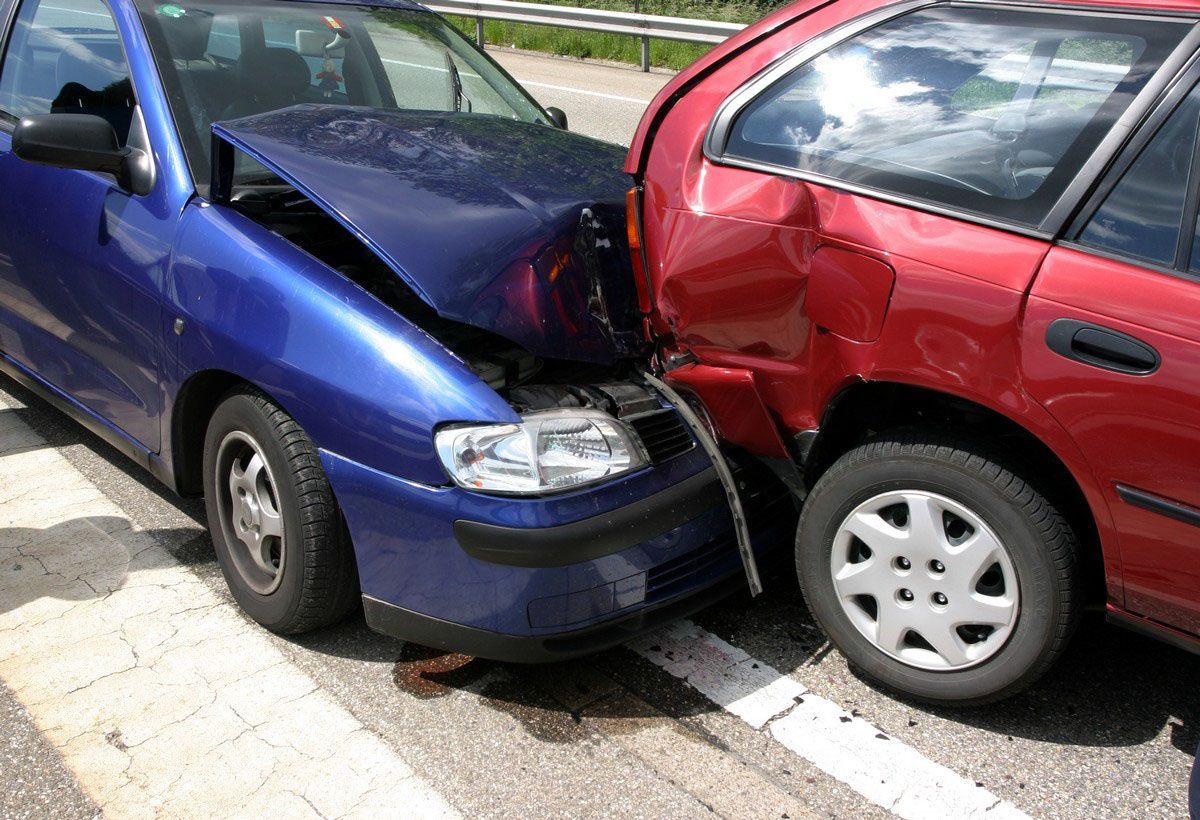
In the event of a vehicle collision, understanding what to expect from repair services is crucial. The chaos after an accident can be overwhelming, making it essential to have a clear idea of the repair process. With over 13.2 million car crashes occurring annually, according to Progressive, being informed about collision repair services is more important than ever. This article aims to guide car owners through the critical aspects of collision repair services. With knowledge of the services offered, vehicle owners can make informed decisions and prepare efficiently.
Assessing Damage Thoroughly
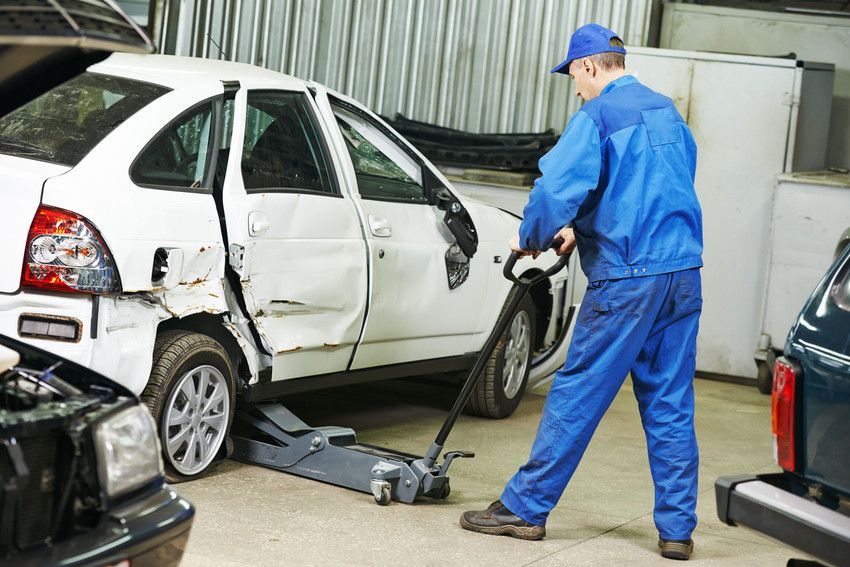
The repair process begins with a thorough initial inspection. Experienced technicians conduct a comprehensive visual and technical examination of the vehicle. This step is fundamental in identifying visible damage and setting the foundation for further diagnostics. It helps establish the initial scope of required repairs. The initial inspection is a stepping stone to ensure nothing goes unnoticed, providing a roadmap for precise assessment and planning.
Utilizing Diagnostic Scans
Advanced diagnostic tools are critical in identifying hidden damage. These tools allow repair shops to delve deep into the vehicle's systems, ensuring all issues are brought to light. Many modern cars have intricate structures, and diagnostic scans ensure every aspect is checked diligently. This meticulous process is indispensable in preventing overlooked problems that could lead to repeated repairs. A skilled technician uses this information to estimate repair needs comprehensively.
Estimating Costs
After assessing the damage, the next step involves estimating the cost of repairs. Repair shops develop detailed estimates reflecting parts, labor, and any additional services required. Transparency in the cost estimation is crucial for building trust with clients. Accurate estimates prevent unexpected expenses from arising throughout the repair process. Clients can review these estimates, providing an opportunity for open discussions and adjustments.
Communicating with Insurance Companies
Communication with insurance companies is pivotal following a collision. Damage assessment results serve as the basis for processing insurance claims. Repair shops often assist clients by coordinating with insurers to streamline the claims process. This support is invaluable, ensuring vehicle owners do not have to navigate the complexities alone. Cooperation between repair shops and insurers ultimately benefits the clients, leading to quicker settlements.
Detailing a Repair Plan
Creating a detailed repair plan is the next phase after assessments. This plan outlines precise steps to address all identified issues. Repair shops use this plan to allocate resources efficiently, ensuring a cohesive approach. Clients benefit from understanding the proposed actions, fostering a collaborative repair process. A clear plan serves as a benchmark for progress, making it easier to track and manage repairs.
Using Quality Parts and Materials
The choice between OEM and aftermarket parts significantly impacts repair quality. OEM parts, sourced from original manufacturers, ensure compatibility and durability. However, aftermarket parts can be cost-effective alternatives without compromising quality when chosen carefully. Collision repair services guide clients through these options, factoring in budget and preferences. Ultimately, the decision on parts affects vehicle integrity and performance post-repair.
Choosing High-Quality Paints
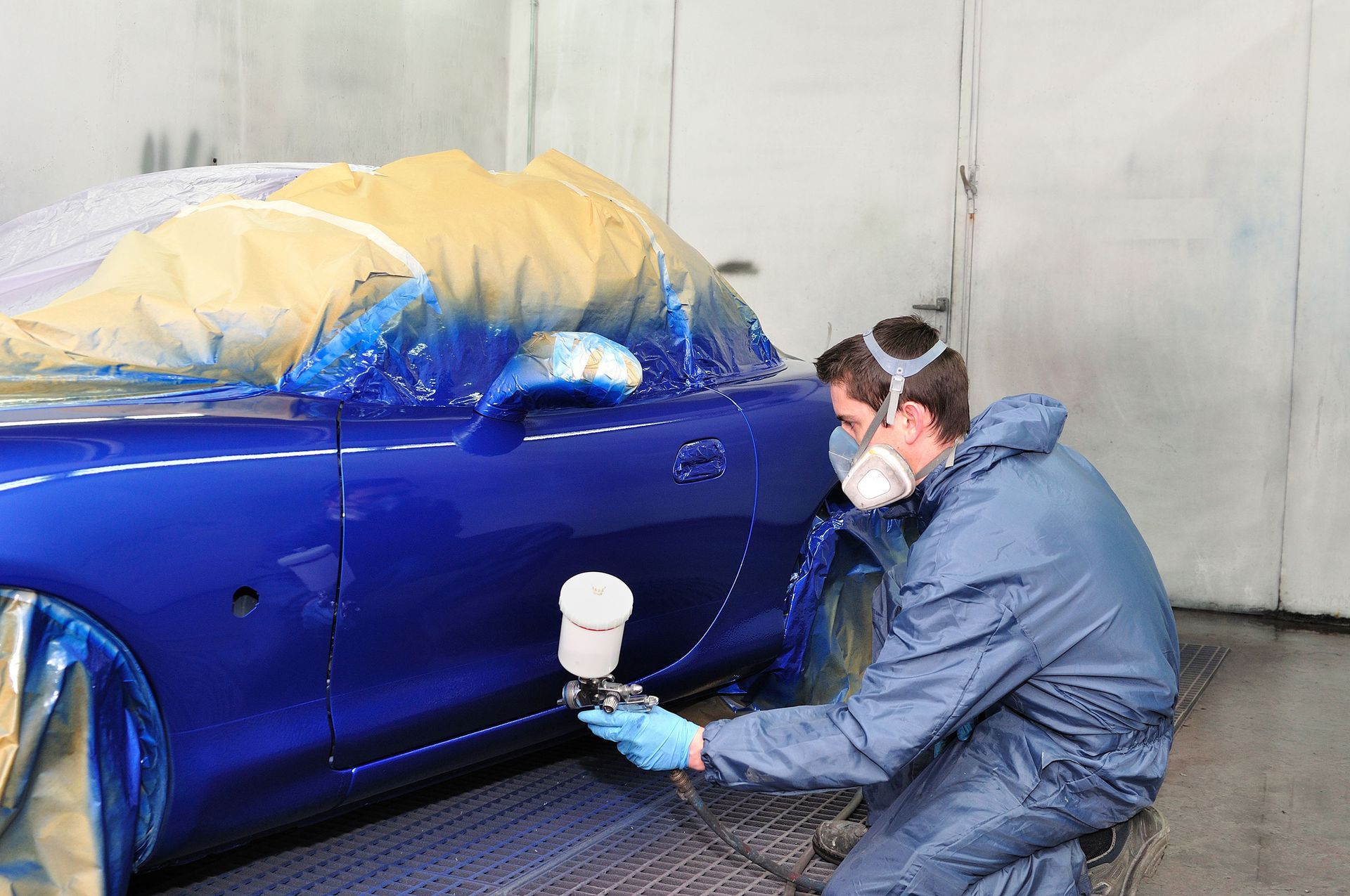
Ensuring that high-quality paints are used in collision repair is crucial. The paints must match the original color, maintaining the car’s aesthetic appeal. Besides appearance, quality paints contribute to the vehicle's durability, protecting surfaces. Painting is not just about looks; it's integral to safeguarding against environmental factors. Choosing the right paints prevents premature wear, safeguarding the vehicle’s longevity.
Providing Parts Warranties
Providing warranties on parts instills confidence in repair services. These guarantees reassure clients of the parts' quality and workmanship. Repair shops offer varying warranty terms, reflecting their commitment to excellence. Clients feel reassured, knowing repairs are reliable, and shops stand by their services. Warranty policies can also influence insurance decisions, as insurers may show a preference towards guaranteed parts.
Considering the Environment
Environmentally responsible practices are gaining prominence in collision repair. Repair shops are increasingly managing waste effectively and adopting eco-friendly materials. These practices contribute to a reduced carbon footprint while maintaining high-quality repairs. Clients are becoming more conscious of environmental impacts, often preferring shops that prioritize sustainability. Repair shops strive to balance environmentally friendly actions without compromising repair quality.
Expanding Supplier Relationships
Strong relationships with suppliers can positively affect parts availability. Repair shops benefit from prioritized access and competitive pricing, which can be passed to clients. Collaboration with reliable suppliers ensures quality parts and timely delivery. Clients are often unaware of this behind-the-scenes interaction but reap the benefits through efficient services. For shops, these partnerships are crucial in maintaining consistent service levels.
Applying Professional Repair Techniques
Having certified technicians is a mark of quality in collision repair services. Certification ensures technicians are well-trained and up-to-date with industry standards. It instills confidence in clients, knowing their vehicles are in capable hands. The rigorous training process sharpens skills, enabling precision in complicated repairs. Certification programs like I-CAR or ASE ensure technicians are knowledgeable and competent.
Committing to Modern Equipment
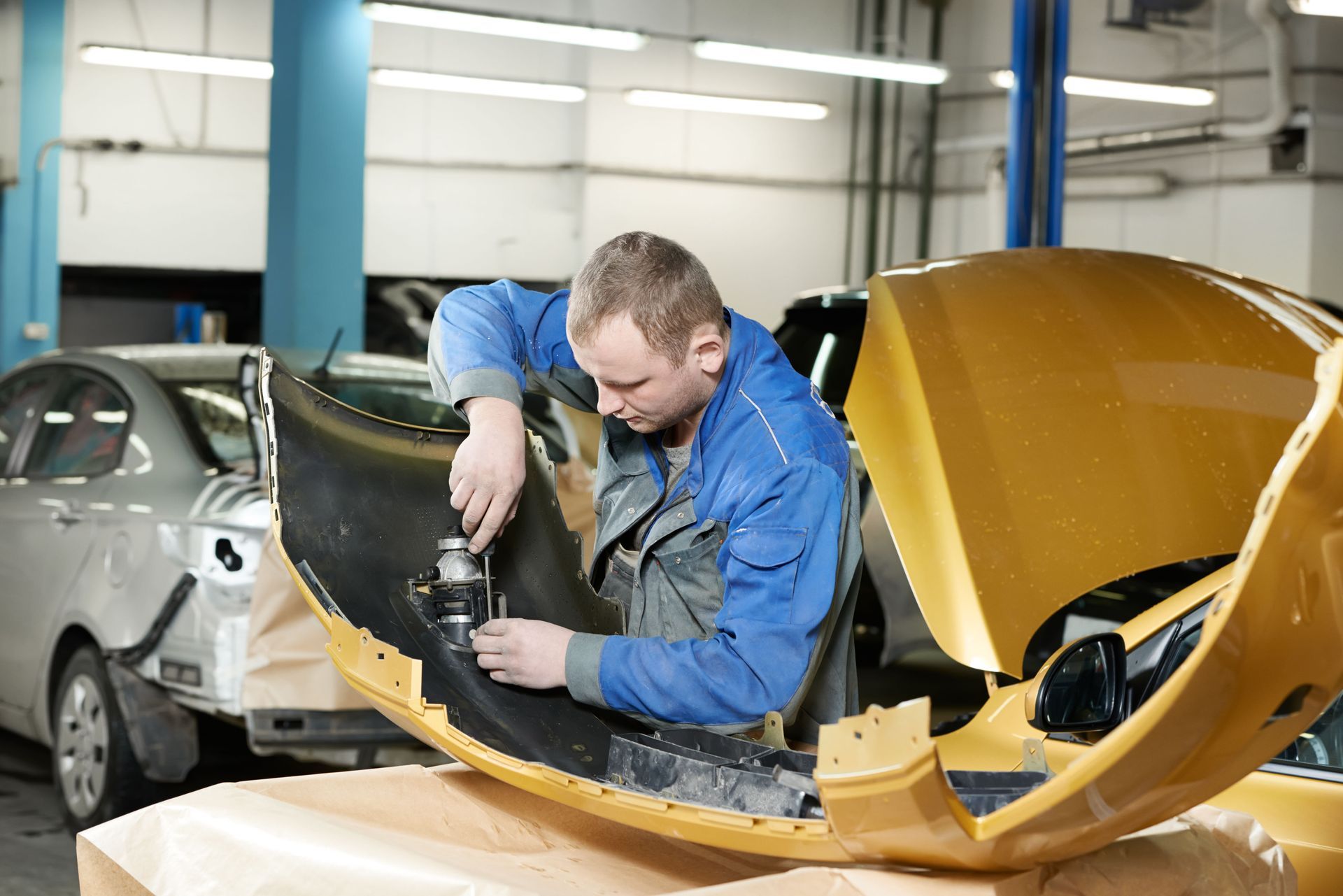
Utilizing modern equipment is essential in executing precise repairs. Advanced tools enable technicians to address complex damage efficiently. These technologies enhance accuracy and reduce repair times, increasing client satisfaction. The investment in equipment is a testament to a repair shop's commitment to quality. Clients benefit from enhanced repair techniques that modern equipment facilitates, improving overall service.
Adhering to Standards
Adherence to industry standards is foundational for reputable repair shops. These standards ensure consistency in repair quality across different shops. Clients can rely on the specific benchmarks used, understanding what to expect. Following established standards protects clients and shops from liabilities, offering assurances of safety. Standards provide a framework within which repair processes and quality are evaluated.
Training Continuously
Ongoing training for technicians is pivotal in keeping abreast of evolving technologies. The automotive industry is rapidly changing, with new models and technologies introduced regularly. Continuous education ensures technicians remain proficient, ready to handle innovations. This training is a strategic investment, reflecting the shop’s commitment to superior service. Clients benefit from the advanced knowledge and expertise that trained technicians bring.
Integrating Quality Control Inspections
Quality control inspections ensure the repair integrity before vehicle handover. These final inspections check all aspects of the repair work. They serve to identify any missed issues, ensuring that quality meets high standards. The client ultimately receives assurance that the vehicle is ready and safe for use. Quality control in this phase is the touchstone, verifying adherence to repair commitments.
Communicating with Transparency
Providing regular updates fosters trust throughout the repair process. Clients appreciate transparency, receiving current information on progress. This transparency minimizes potential misunderstandings and uncertainties. Open communication strengthens client-shop relationships, reflecting excellent customer service. Transparency also facilitates proactive resolution of any emerging issues.
Explaining Repair Steps
Helping clients understand repair steps builds confidence in services. Repair shops take time to walk clients through the process, enhancing trust. This explanation demystifies complex procedures, offering peace of mind. Effective communication ensures clients feel included and informed about what is happening. Explaining steps bridges potential knowledge gaps, creating a more collaborative repair experience.
Understanding what to expect from collision repair services is integral to navigating post-accident complexities. Through thorough assessment, use of quality materials, professional techniques, and exceptional communication, reliable repair services ensure client confidence. By choosing a service aligning with these criteria, vehicle owners assure themselves of quality repairs, safety, and satisfaction. This comprehensive approach guarantees that clients' needs are prioritized and addressed thoroughly. Choosing wisely ensures successful outcomes whenever collision repair services are required. If you are seeking collision repair services in the Somerset, WI area, contact Somerset Collision today.