October 23, 2026
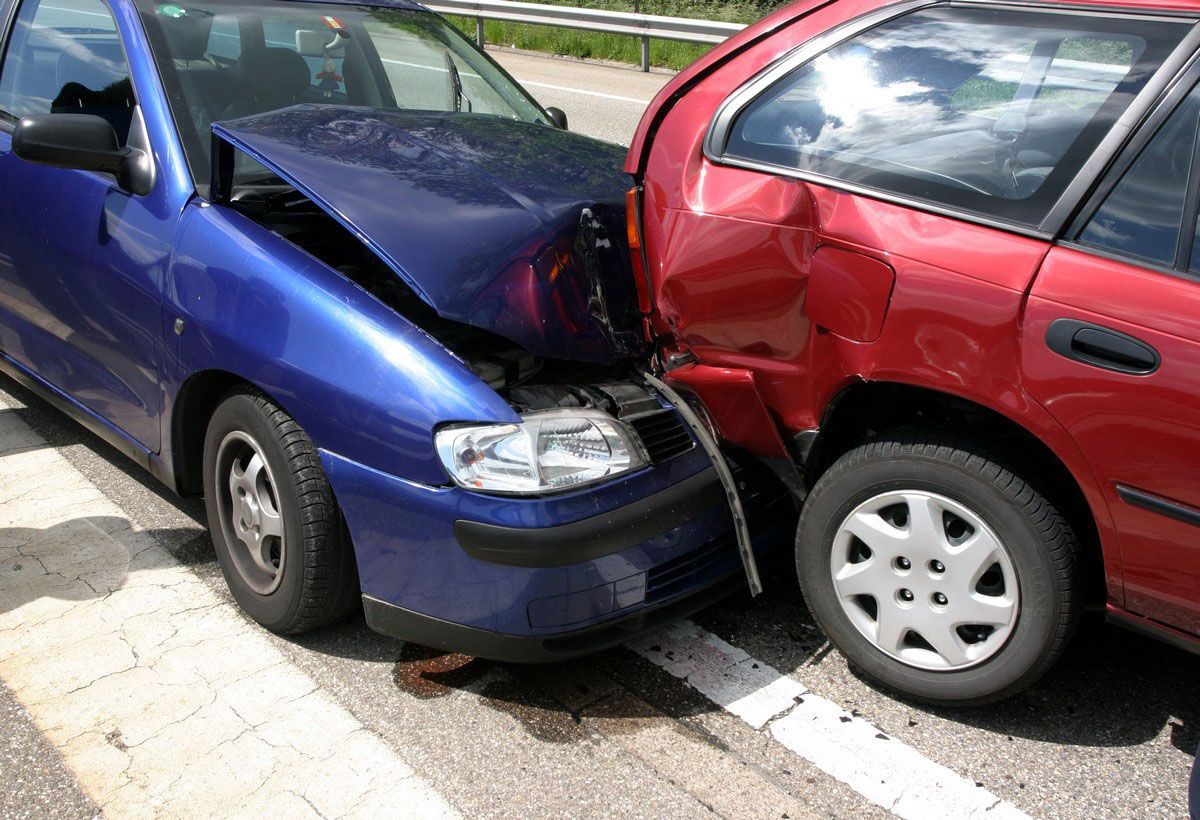
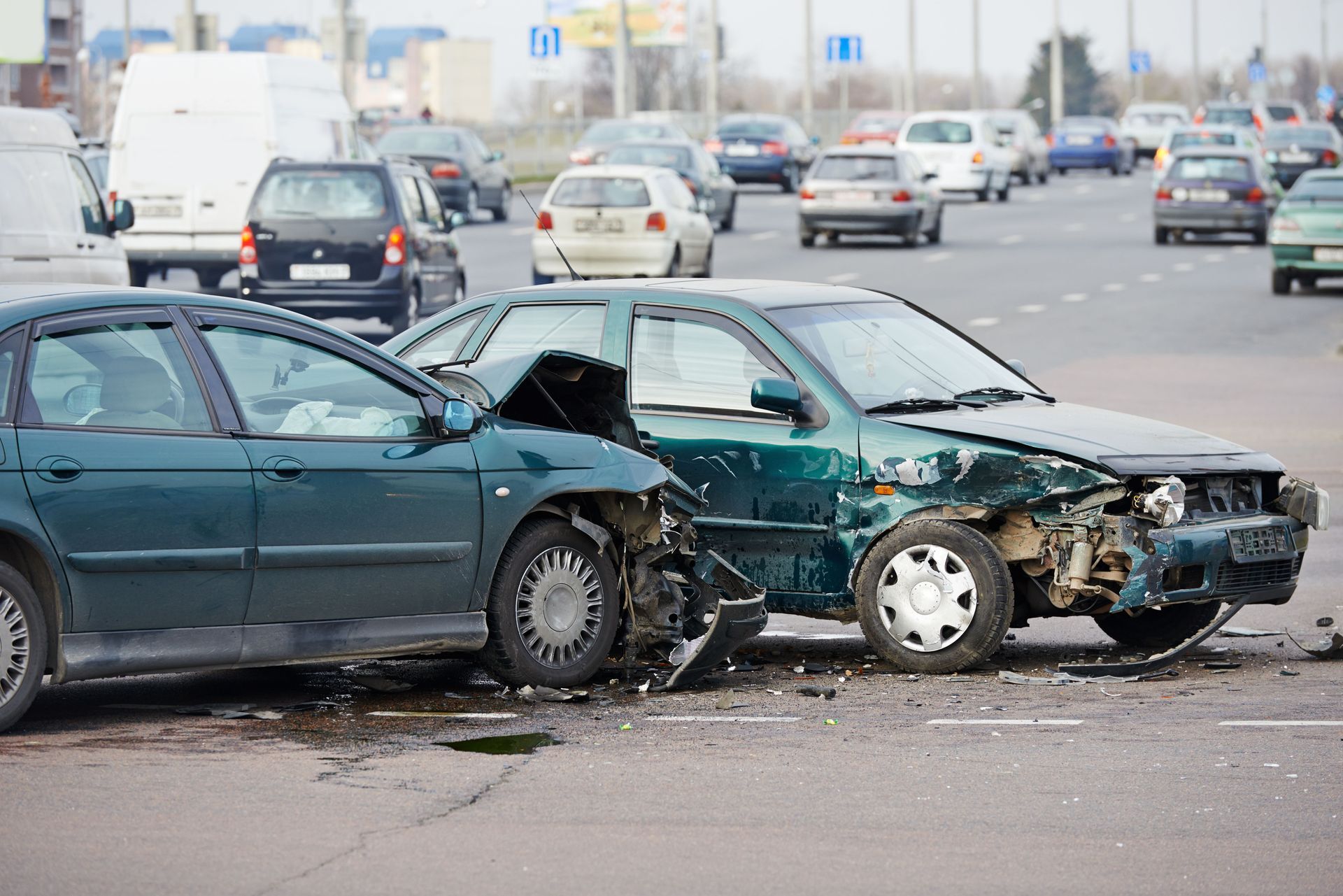
Auto body damage can leave a noticeable mark on your vehicle's aesthetic appeal, but modern color-matching techniques ensure that replacement panels blend seamlessly into the original finish. Drivers who experience unexpected accidents often rely on local collision repair shops to make their vehicles look brand new again. Restoring a car’s exterior requires a mixture of sophisticated technology, precise formulas, and expert artistry to achieve an invisible repair line.
Vehicle paint changes over time due to sun exposure, weather conditions, and environmental factors, meaning that factory-standard color codes rarely provide an exact match on their own. According to market research from Fortune Business Insights, the rear-end repairs segment held the largest share of the automotive collision repair market in 2026, accounting for 30.57% of the total market share, which highlights just how frequently technicians must execute precise paint matching on rear bumpers and trunk lids. Understanding the structured process behind paint restoration helps vehicle owners appreciate the detailed craftsmanship involved in every auto body repair project.
Locating the OEM Color Code
Every vehicle leaves the assembly line with a specific Original Equipment Manufacturer (OEM) color code assigned to its paint job. This code represents the baseline chemical recipe used by the factory during original production. Technicians start their assessment by locating this informational tag, which is typically found inside the driver-side door jamb, beneath the hood on the engine strut tower, or under the floor mat in the trunk compartment.
While the OEM code identifies the exact hue, shade, and metallic content mixed at the factory, it serves merely as a starting reference point. Automotive paint formulas are updated frequently, and a single color code can have dozens of subtle factory variations depending on the manufacturing plant, batch date, and application line. Top-tier local collision repair shops rely on this code to retrieve the core database formula before making fine-tuning adjustments tailored to the specific vehicle in their shop.
Analyzing Environmental Fading and Aging
Once the factory code is identified, technicians must account for the natural aging process of the vehicle’s existing finish. Direct exposure to ultraviolet rays breaks down paint pigments over time, causing colors to lighten, shift, or lose their original vibrancy. Environmental contaminants such as acid rain, road salt, bird droppings, and industrial fallout also alter the clear coat and base coat tones.
Because vehicles fade unevenly depending on where they are parked and how often they are washed or waxed, an off-the-shelf paint formula mixed strictly to OEM specifications will look dramatically darker or more saturated than the surrounding weathered panels. Professionals evaluate the surface condition of undamaged adjacent panels to determine how much the paint has drifted from its original state. Factoring in environmental wear is a mandatory step before any mixing begins.
Formulating the Custom Paint Mixture
With the digital reading analyzed, paint technicians begin compounding the custom formula using specialized computerized mixing scales. Automotive paint consists of base toners, clear coats, binders, and special effect additives such as aluminum flakes, mica particles, or liquid pearls. The technician must measure each component down to hundredths of a gram to achieve absolute precision.
Balancing microscopic amounts of pigment is critical because even a fraction of a drop of black, blue, or yellow toner can alter the hue, chroma, or value of a large batch. Technicians continuously adjust the ratio of effect particles to replicate the depth, shimmer, and metallic coarseness of the original finish. Experienced technicians at local collision repair shops take immense pride in carefully measuring each chemical element to create a flawless blend.
Creating Test Spray Cards
Before applying any custom-mixed paint directly to an automobile, technicians test their formula on small metal or plastic testing cards known as spray-out cards. The technician sprays the test card using the same spray gun distance, air pressure, and motion techniques that will be used on the actual vehicle panel, followed by applying the appropriate clear coat layer.
The spray-out card is dried completely under infrared heating lamps to ensure the final cured color is displayed accurately. Wet paint often looks drastically different from dried, cured paint, making this verification step essential. The dried test card is then held directly against the vehicle's body panels under controlled conditions to evaluate color accuracy and flake alignment before painting the actual car.
Inspecting Color Under Specialized Lighting
Evaluating paint under standard indoor lighting can produce misleading results due to a phenomenon known as metamerism—where two color samples appear identical under one light source but look noticeably different under another. A panel that seems like a perfect match under fluorescent shop lights might look completely mismatched under direct natural sunlight.
To prevent this issue, technicians inspect spray-out cards under specialized color-matching lamps that simulate various lighting conditions, including direct noon sunlight, diffuse overcast light, and warm indoor lighting. If a hue shift is detected under any lighting angle, the mixing formula is adjusted further. Ensuring technicians at local collision repair shops analyze paint under full-spectrum lighting guarantees that your vehicle looks consistent regardless of where or when it is driven.
Preparing the Surface for Application
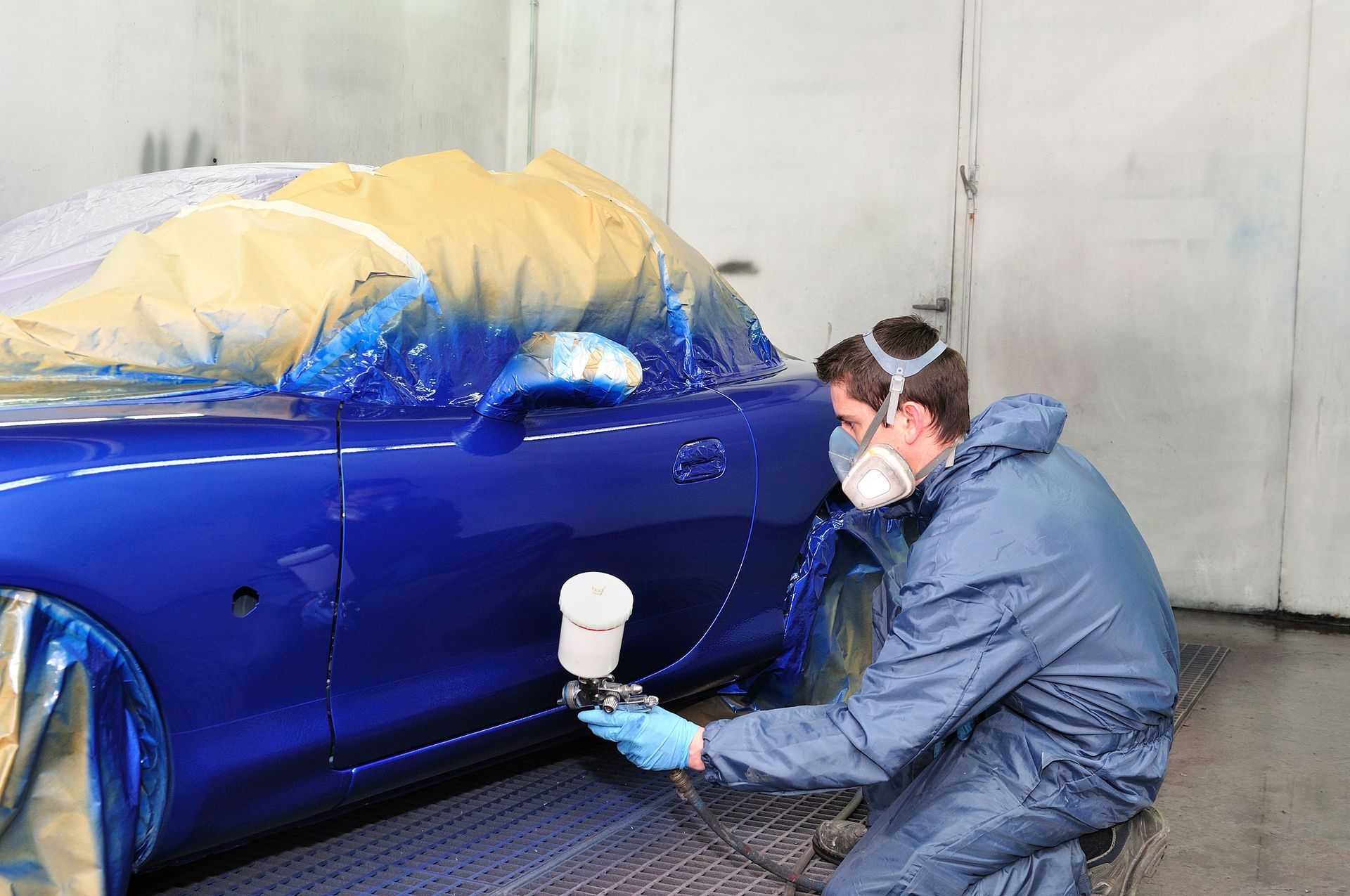
A perfect paint mixture cannot achieve a seamless finish if the underlying surface is improperly prepared. The repair area must undergo rigorous surface prep, including deep cleaning to remove wax, grease, and microscopic dust particles. Technicians sand down the damaged area, fill imperfections, and apply corrosion-resistant primers.
Once the primer cures, it is sanded smooth with ultra-fine sandpaper to match the exact contour and texture of the surrounding panel. Any microscopic dust particle or oil residue left on the surface can cause paint defects like fisheyes, orange peel texture, or peeling down the road. Rigorous surface prep creates a clean canvas that ensures paint adheres permanently and lays down smoothly.
Executing the Feathering and Blending Technique
Even with advanced spectrophotometer technology and meticulous chemical formulation, achieving a 100% identical optical match on a standalone panel is nearly impossible to the human eye. To create an invisible transition, paint technicians use a technique called blending or feathering across adjacent panels.
Instead of stopping the new paint strictly at the edge of the repaired panel, the technician sprays the color coat across the repair zone and gradually tapers the application onto nearby undamaged panels. The clear coat is then applied over the entire area, including the blended panels. Skilled painters at local collision repair shops use this blending technique to create a smooth visual gradient that tricks the human eye, ensuring no hard lines or shade breaks are visible.
Applying the Clear Coat and Final Polish
The final stage of the paint matching process involves applying protective clear coat layers followed by high-precision polishing. The clear coat provides the necessary UV protection, weather resistance, and gloss finish while sealing the base paint underneath. It must be sprayed with uniform thickness to avoid creating an uneven sheen or texture.
After curing, the clear coat is wet-sanded and machine-buffed to eliminate minor surface imperfections and match the factory texture, commonly referred to as "orange peel." Polishing restores maximum gloss and clarity, unifying the light reflection across both repaired and original sections. Completing this multi-step refinishing process delivers a pristine, factory-quality finish that makes prior collision damage completely undetectable.
Matching vehicle paint is an intricate science that combines cutting-edge digital scanning technology with precise manual artistry. From identifying OEM paint codes and formulating custom toners to executing seamless blending techniques, modern technicians ensure that repaired panels look completely identical to the rest of your automobile. Selecting trustworthy
local collision repair shops guarantees that your vehicle receives the detailed care and exact color precision needed to restore its value and appearance after an accident.
If your vehicle has experienced recent body damage or requires professional paint work, turn to the trusted team at Somerset Collision. Our experienced technicians utilize state-of-the-art color matching technology to restore your car's finish to pristine condition. Contact us today to schedule your consultation and receive a free repair estimate!