October 26, 2026
Vehicle collisions can leave behind damage that affects a car's appearance, structure, glass, and mechanical components. Even an accident that seems relatively minor can involve more than visible dents or scratches. Understanding the type and extent of damage is an important first step toward determining the appropriate repairs and planning the next stages of the process.
According to Gitnux, the U.S. auto repair industry is valued at approximately $116 billion, with more than 168,000 businesses operating nationwide. This substantial market reflects the demand for automotive repair services and the importance of finding a qualified provider when a vehicle needs attention.
Auto body repair professionals assess collision damage, identify areas requiring attention, and determine which services fit the vehicle's condition. Depending on the circumstances, repairs can involve dent removal, bumper restoration, frame straightening, paint refinishing, or glass replacement. A thorough evaluation helps establish the scope of work and gives vehicle owners a clearer understanding of the services involved.
Knowing what to expect during the repair process also helps reduce uncertainty after an accident. From receiving an estimate to coordinating repairs and transportation, understanding each stage allows drivers to make informed decisions about their vehicles.
Evaluating Collision Damage and Repair Requirements
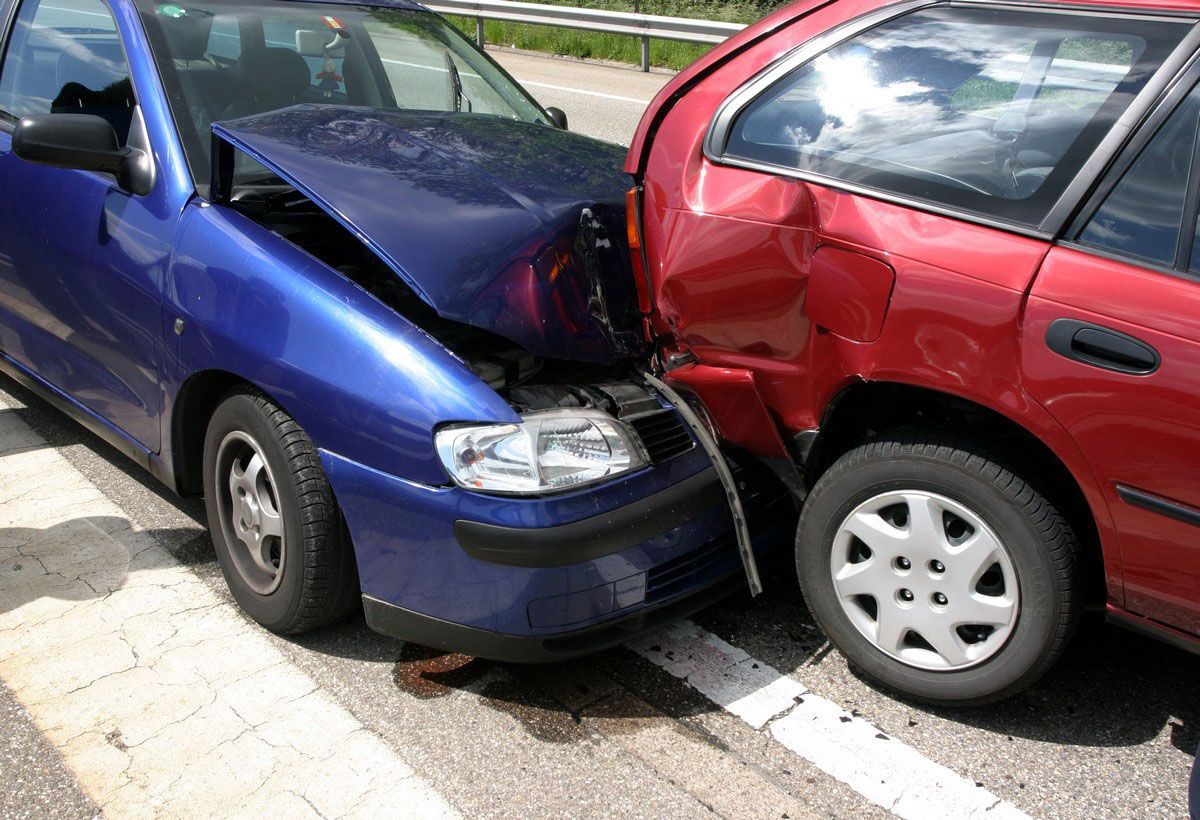
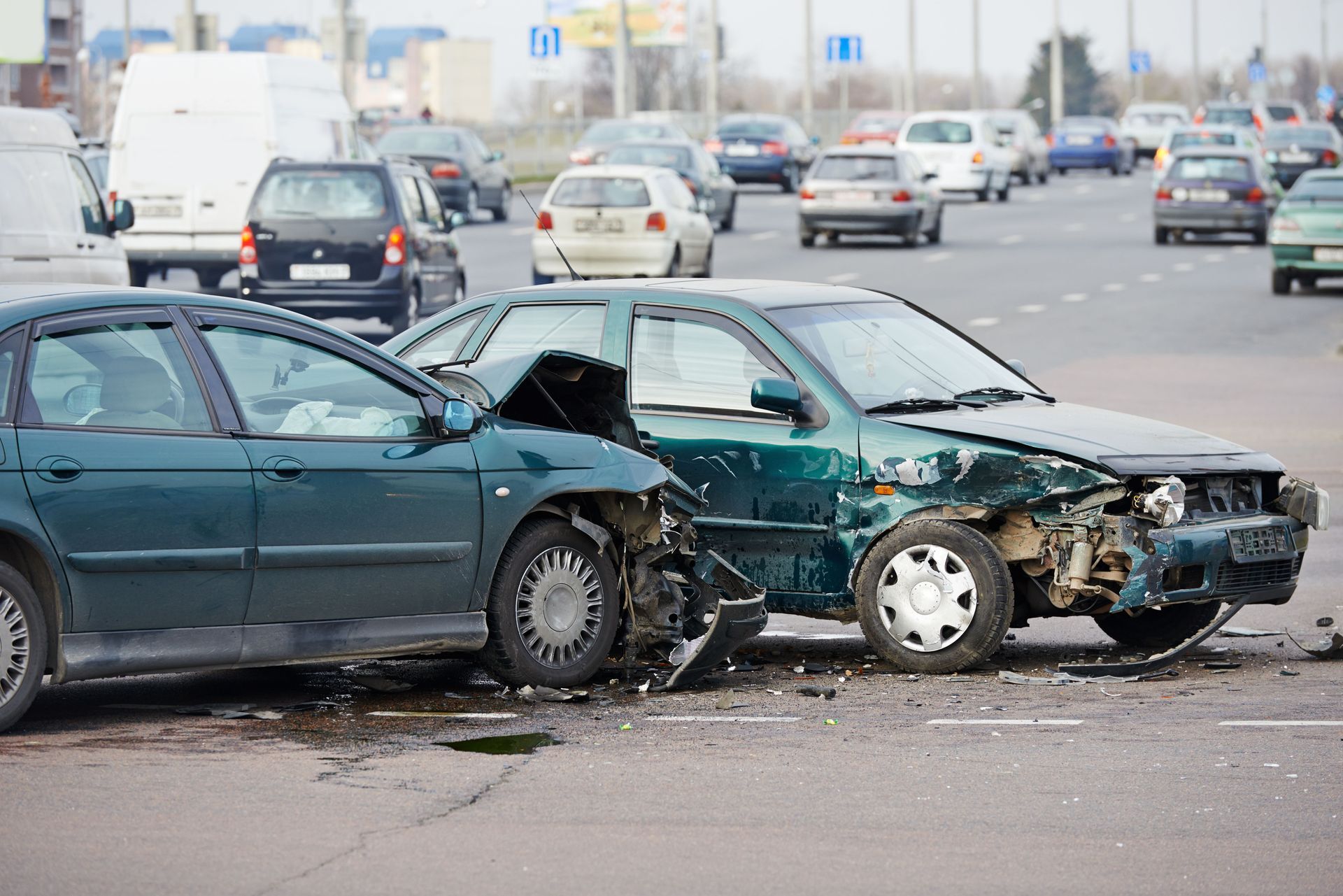
A collision assessment begins with examining the vehicle for visible damage and identifying components that require closer inspection. Dents, scratches, damaged bumpers, broken glass, and misaligned doors or windows are common signs that a vehicle needs professional attention. The location and severity of the impact help determine which areas require further evaluation.
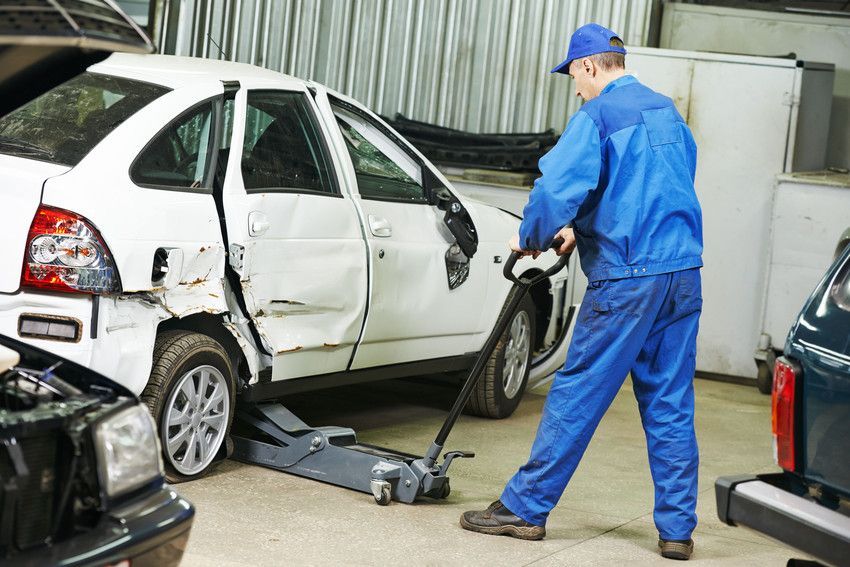
Not all damage is immediately apparent. An impact can affect structural components or create alignment concerns that are difficult to recognize through appearance alone. Frame straightening is an important service when a collision affects the vehicle's underlying structure. Professional equipment allows technicians to evaluate frame alignment and determine the work required to address identified problems.
The inspection also helps distinguish cosmetic concerns from damage involving the vehicle's structure or operation. For example, a dented panel primarily affects appearance, while frame damage can influence alignment and how other components fit together. Mechanical or suspension concerns also require attention when an impact affects those systems.
Auto body repair professionals use their findings to establish an appropriate repair plan. Clear communication about the damage, recommended work, and estimated costs gives vehicle owners an opportunity to understand their options before authorizing repairs.
Restoring Structural Alignment and Exterior Components
Frame and structural repairs are important considerations when a collision affects the vehicle's underlying framework. A vehicle's frame or unibody structure supports its overall design and provides mounting points for other components. When an impact causes misalignment, the issue requires a careful assessment rather than a cosmetic repair alone.
Frame straightening involves evaluating the affected structure and using specialized equipment to address identified alignment problems. The extent of the work depends on the location and severity of the damage. Technicians also consider how structural concerns relate to the surrounding panels, doors, and other components when determining the repair requirements.
Exterior components such as bumpers also deserve attention after an accident. Bumpers can sustain dents, scratches, cracks, or more extensive damage. Depending on the condition of the component, the appropriate service involves repair or replacement. The final decision depends on the damage assessment and the condition of the affected parts.
Door and window alignment can provide additional clues during an inspection. When these components no longer fit or operate as expected after an impact, further evaluation helps identify the underlying concern. Addressing related issues as part of a coordinated repair plan keeps the focus on the vehicle's overall condition rather than its appearance alone.
Matching Paint and Refinishing Damaged Surfaces
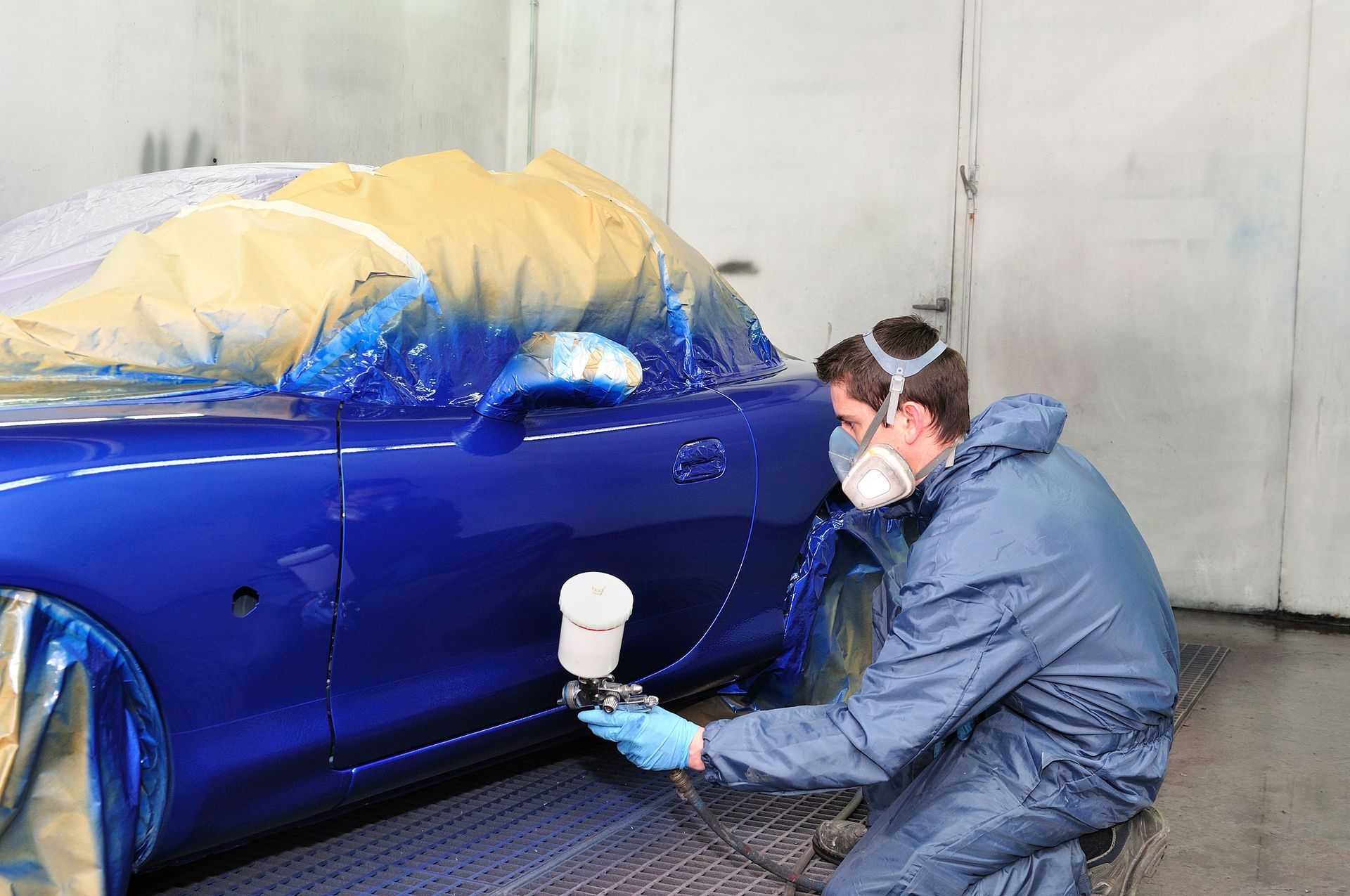
Paint damage is one of the most noticeable consequences of a collision. Scratches, chipped paint, and damaged panels can affect a vehicle's appearance, while exposed surfaces also require appropriate attention. Professional refinishing involves preparing the affected area, selecting a compatible color, and applying paint using suitable equipment and techniques.
Color matching is an important part of this process. A vehicle's paint color needs to complement the surrounding finish so that the repaired area looks consistent with adjacent panels. Differences in color, finish, and application can be noticeable when repairs are completed without careful preparation.
The repair process depends on the extent of the damage. Minor scratches require a different approach from dents that involve damaged paint or larger areas of a panel. Professional assessment helps determine the appropriate combination of bodywork and refinishing for the specific condition.
The products used during refinishing also matter. Somerset Collision's website identifies PPG and 3M among the industry brands used for its automotive services. The company also states that its paint work is covered by a lifetime warranty for as long as the customer owns the vehicle. Reviewing the applicable warranty terms helps customers understand the coverage associated with their repair.
Addressing Glass, Interior, and Mechanical Concerns
Collision damage can extend beyond the vehicle's exterior panels. Windshields and other glass components can crack or break during an accident, affecting visibility and the condition of the vehicle. Auto glass replacement provides an option when damaged glass requires replacement rather than another form of service. Having the condition assessed helps determine the appropriate next step.
The vehicle's interior also deserves consideration after a collision. Damage to upholstery, dashboards, or other interior surfaces can affect the cabin's appearance and comfort. Interior services address these concerns through repairs and restoration tailored to the affected materials and components.
Auto body repair professionals also consider mechanical and suspension issues, which require a separate but equally important assessment. An impact can affect steering, alignment, suspension components, or related systems. Symptoms such as unusual noises or changes in handling warrant professional evaluation because they can indicate problems beyond visible body damage.
A complete repair plan considers the vehicle as a whole. Addressing exterior damage without evaluating related mechanical, glass, or interior concerns leaves important questions unanswered. Coordinating the necessary services helps vehicle owners understand the full scope of the work and how the different repairs relate to the collision.
Coordinating Estimates, Insurance, and Transportation
Managing the administrative details after an accident can be challenging, particularly when a vehicle requires several types of repair. A written estimate provides an overview of the proposed work and its associated costs. Reviewing the estimate helps customers understand the expected scope before deciding how to proceed.
According to its website, Somerset Collision provides free estimates and works with insurance companies, including independent insurance work. Its team also offers towing and claims assistance. These services help customers coordinate vehicle access, discuss repair requirements, and navigate the administrative steps involved in a collision claim.
Insurance coverage depends on the individual policy, the circumstances of the accident, and the insurer's assessment. Vehicle owners should review their policy and communicate with their insurance representative about documentation, estimates, and approval requirements. A repair estimate describes the proposed work, but it does not determine whether an insurer will cover every item.
Transportation is another practical consideration. When a vehicle remains at a repair facility, access to another vehicle can help people manage work, family responsibilities, and everyday travel. Somerset Collision lists loaner vehicles as an available convenience. Customers can ask about availability and any applicable arrangements when scheduling service.
Choosing a collision repair provider involves evaluating experience, services, communication, estimates, and warranty terms. Auto body repair professionals assess each vehicle's specific damage to recommend appropriate repairs. Asking about scheduling, parts, and additional damage helps customers understand the proposed work and make informed decisions based on their vehicle's condition.
For drivers in Somerset, Hudson, New Richmond, and the surrounding St. Croix Valley, choosing a local provider offers an opportunity to discuss repair needs with a team familiar with the region. Contact Somerset Collision to request a free estimate and discuss the appropriate collision repair services for your vehicle.