November 6, 2026
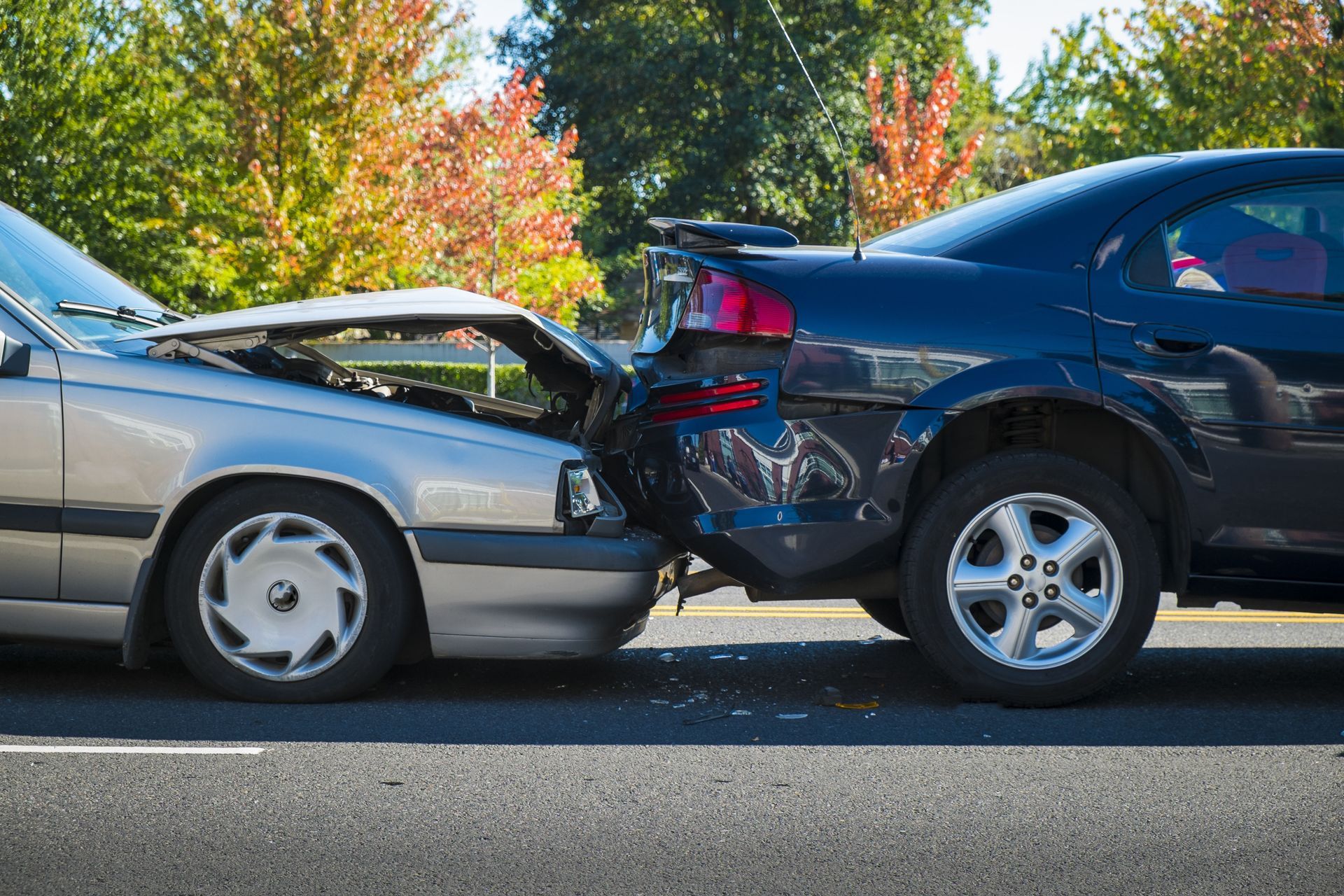
After a vehicle accident, the most noticeable damage is not always the most serious. A car may have a dented bumper, scratched paint, or a damaged fender while concealing problems beneath the surface. Even relatively minor collisions can affect structural components, safety systems, suspension parts, and other important vehicle features. This is why a thorough inspection is an essential part of the collision repair process.
Professional technicians use specialized equipment, diagnostic tools, and detailed inspections to identify damage that may not be immediately visible. Choosing a professional local collision repair shop helps ensure that both visible and hidden problems receive attention before a vehicle returns to the road. Understanding how technicians evaluate accident damage highlights the importance of a comprehensive repair assessment.
Inspecting Exterior Body Panels
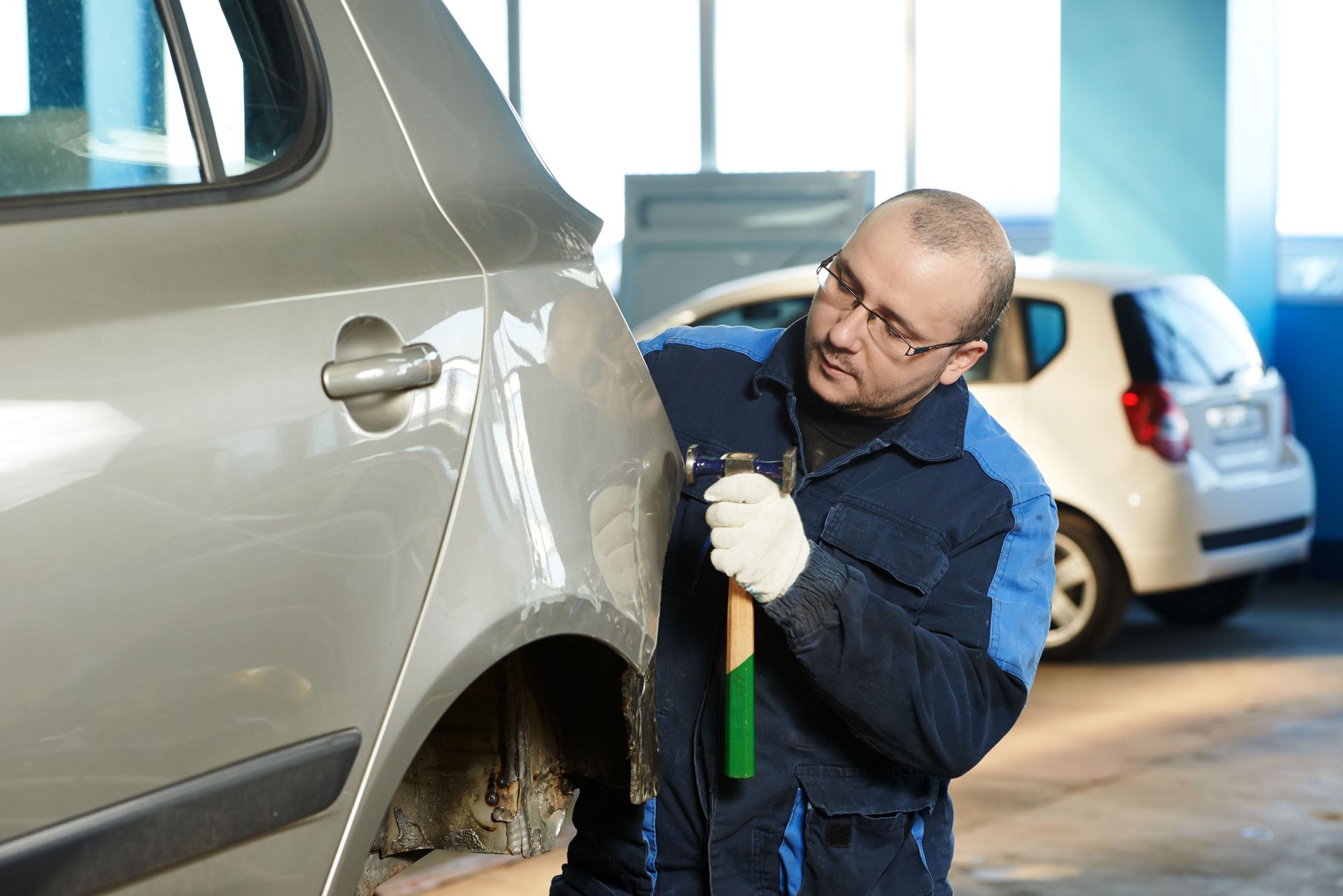
The collision assessment typically begins with an examination of the vehicle's exterior. Technicians look beyond obvious dents, scratches, and broken panels to identify signs that the impact may have affected underlying components. Uneven panel gaps, shifted body lines, and unusual creases can indicate damage beneath the surface.
Bumpers, fenders, doors, hoods, and trunk panels receive particular attention because they can absorb significant impact during a collision. Even when these components appear intact, their mounting brackets, supports, and attachment points may be damaged. A local collision repair inspection helps determine whether the damage is limited to cosmetic components or extends into the vehicle's structure.
Evaluating Frame and Structural Damage
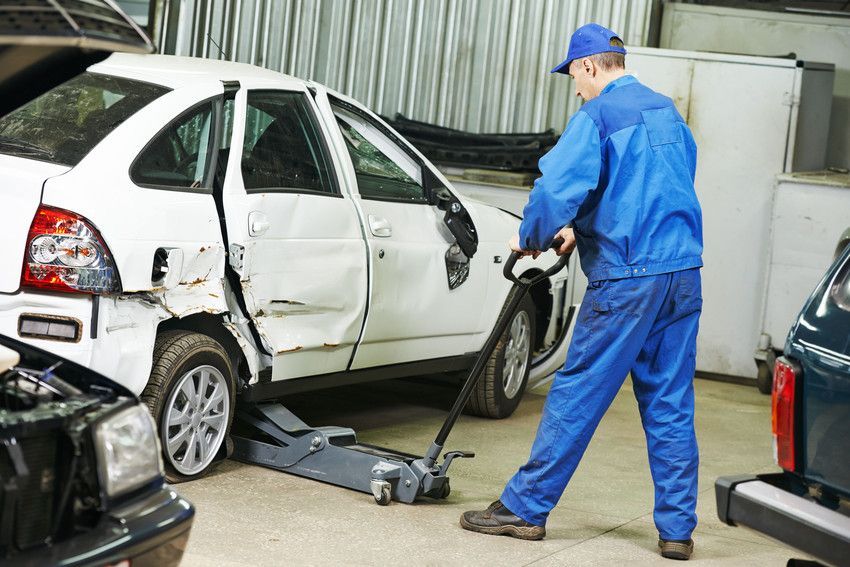
A vehicle's frame and structural components play an important role in protecting occupants during an accident. Technicians inspect frame rails, pillars, rocker panels, and floor sections for bending, twisting, or displacement. Damage to these areas can affect vehicle handling and passenger protection.
Even a relatively low-speed accident can create structural problems when impact forces reach critical areas. Technicians look for buckling, displaced mounting points, and changes in vehicle measurements. Computerized measuring systems help identify structural deviations that may not be visible during a standard inspection. A thorough local collision repair assessment considers these measurements before technicians determine the appropriate repair approach. Following manufacturer specifications helps ensure that structural repairs address the vehicle's original design requirements.
Diagnosing Electronic and Safety Systems
Modern vehicles rely on electronic systems to support performance and passenger safety. Airbags, cameras, collision warning systems, and other advanced features can be affected during an accident. Some problems trigger dashboard warning lights, while others require specialized diagnostic testing to identify.
Technicians connect diagnostic scanning equipment to the vehicle's onboard computer systems to check for stored trouble codes and communication issues. These results provide information about electronic components that may have been affected by the collision.
Advanced driver assistance systems require particular attention because many depend on sensors and cameras positioned around the vehicle. Damage to a bumper, windshield, grille, or side mirror can interfere with these components. Local collision repair professionals can determine whether affected systems require replacement, testing, or recalibration.
Examining Suspension and Steering Components
The suspension and steering systems help maintain vehicle stability, handling, and control. During an accident, impact forces can travel through the wheels and damage components that are not immediately visible. This is especially important when a collision involves the front or rear of the vehicle.
Technicians inspect control arms, struts, shocks, tie rods, wheel hubs, and related mounting points. They also look for bent components and signs that the wheels are no longer properly positioned. These problems can contribute to uneven tire wear, vibration, and steering difficulties. Wheel alignment measurements may reveal damage that is not obvious during a visual inspection. A local collision repair facility can use these findings to determine whether additional suspension or structural repairs are necessary.
Checking Engine and Mechanical Components
Front-end collisions can affect more than bumpers and exterior body panels. Impact forces may reach the radiator, condenser, cooling fans, engine mounts, hoses, and other components behind the front-end structure. Even when the engine continues running normally, hidden damage may interfere with vehicle performance.
Technicians inspect the engine compartment for displaced components, damaged connections, fluid leaks, and bent supports. They may also examine cooling systems, battery connections, and other mechanical parts depending on the location of the impact.
Rear-end collisions require attention to components behind the trunk area as well. Exhaust systems, fuel system components, and rear body supports may be affected depending on the severity of the accident. Comprehensive local collision repair evaluations account for these possibilities rather than focusing exclusively on visible damage.
Following Manufacturer Repair Guidelines
Vehicle manufacturers provide specific guidelines for inspecting and repairing vehicles after collisions. These procedures explain which components can be repaired, which require replacement, and what specialized equipment may be necessary. Following these recommendations helps ensure that repairs account for the vehicle's original engineering and safety requirements.
Different vehicles may require different repair methods because their construction materials and structural designs vary. Aluminum panels and high-strength steel, for example, can require specialized tools and repair procedures. Technicians must understand these differences when evaluating collision damage.
According to Broadly, there are over 40,000 collision repair shops in the United States. With so many facilities available, choosing a repair shop with the appropriate experience, equipment, and knowledge is important.
Understanding the Importance of Damage Assessments
Identifying hidden damage before repairs begin helps prevent important problems from being overlooked. If technicians only address visible dents and scratches, underlying structural, mechanical, or electronic issues may remain unresolved. These problems can affect vehicle safety, performance, and the overall quality of the repair.
A comprehensive assessment also helps establish a more accurate repair estimate. Once technicians identify additional damage, they can determine which components need attention and whether further inspections are necessary. This information also helps with communication between the repair facility, vehicle owner, and insurance company.
The initial estimate may change when additional damage is discovered during the repair process. Supplemental estimates account for problems that were not visible during the first inspection. Working with experienced professionals helps ensure that newly identified damage receives appropriate attention.
Choosing a Qualified Collision Repair Shop
Selecting a qualified repair facility is an important part of restoring a damaged vehicle. Drivers should look for technicians who understand modern vehicle construction, have access to diagnostic equipment, and follow manufacturer repair recommendations. Clear communication is equally important so vehicle owners understand what damage was discovered and which repairs are necessary.
A dependable collision repair shop should explain its inspection process and provide information about recommended services. Experience with different vehicle makes and models is also valuable, particularly when accidents involve advanced safety systems or specialized materials.
Choosing local collision repair professionals can make communication and repair coordination more convenient. Having access to a nearby facility allows drivers to discuss inspection findings, review estimates, and receive updates throughout the repair process.
Hidden collision damage can create problems long after an accident if it is not properly identified. From structural components and suspension systems to electronic safety features, a thorough inspection helps reveal issues that might otherwise go unnoticed. Professional technicians have the tools and experience necessary to evaluate these areas and determine the appropriate repairs.
When your vehicle has been involved in an accident, do not overlook the importance of a comprehensive damage assessment. Contact Somerset Collision to discuss your vehicle's condition and learn more about available repair services. Their team can help you take the next steps toward restoring your vehicle's appearance, functionality, and safety through professional local collision repair.