November 6, 2026
Modern automotive engineering has transformed standard passenger vehicles into highly intelligent, sensor-driven transportation platforms. Advanced Driver Assistance Systems (ADAS)—including adaptive cruise control, lane-keeping assistance, automatic emergency braking, and blind-spot monitoring—rely on an intricate network of exterior cameras, radar arrays, LiDAR sensors, and ultrasonic modules. When a vehicle suffers physical impact during an accident, these delicate digital components can easily shift out of millimeter-precise alignment, even if the exterior bodywork appears minimally damaged. Consequently, executing a comprehensive collision repair requires far more than restoring structural sheet metal; it mandates the precise recalibration of every onboard safety sensor to restore factory-level operational safety.
Skipping digital sensor alignment after bodywork restoration introduces severe safety risks for vehicle owners. Misaligned sensors transmit inaccurate spatial data to the central processing unit, causing safety systems to miscalculate distances, miss oncoming obstacles, or trigger sudden, phantom braking maneuvers at highway speeds. According to AutoBody News, in 2025, roughly 61% of vehicles arriving for collision repair require some form of ADAS calibration. Partnering with a specialized facility that prioritizes digital diagnostic scans alongside traditional structural work ensures that your vehicle's automated safety features function flawlessly, protecting your family from post-repair system failures.
Understanding the Vulnerability of ADAS Infrastructure
An Advanced Driver Assistance System functions as a continuous digital safety loop that monitors exterior environmental variables and assists human drivers in real-time. Front-facing cameras mounted behind the windshield scan lane markings and traffic signs, while bumper-mounted radar units calculate the distance and velocity of preceding vehicles. Side mirror sensors detect adjacent blind-spot hazards, and rear ultrasonic sensors assist during tight parking maneuvers. Because these individual components operate in perfect synchronicity, a minor physical displacement in a single sensor can disrupt the entire vehicle safety network, throwing off automated calculations across multiple driver assistance features.
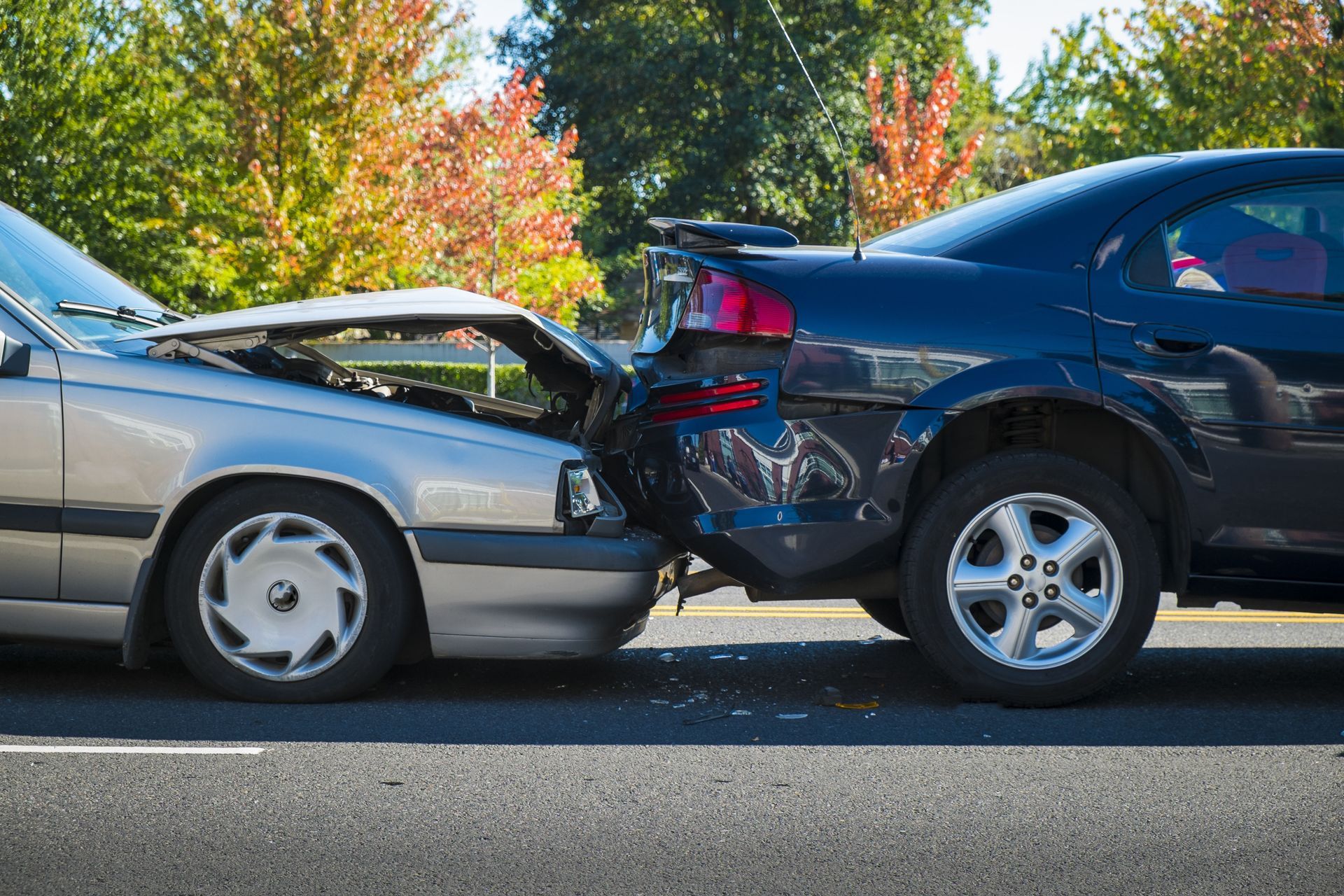
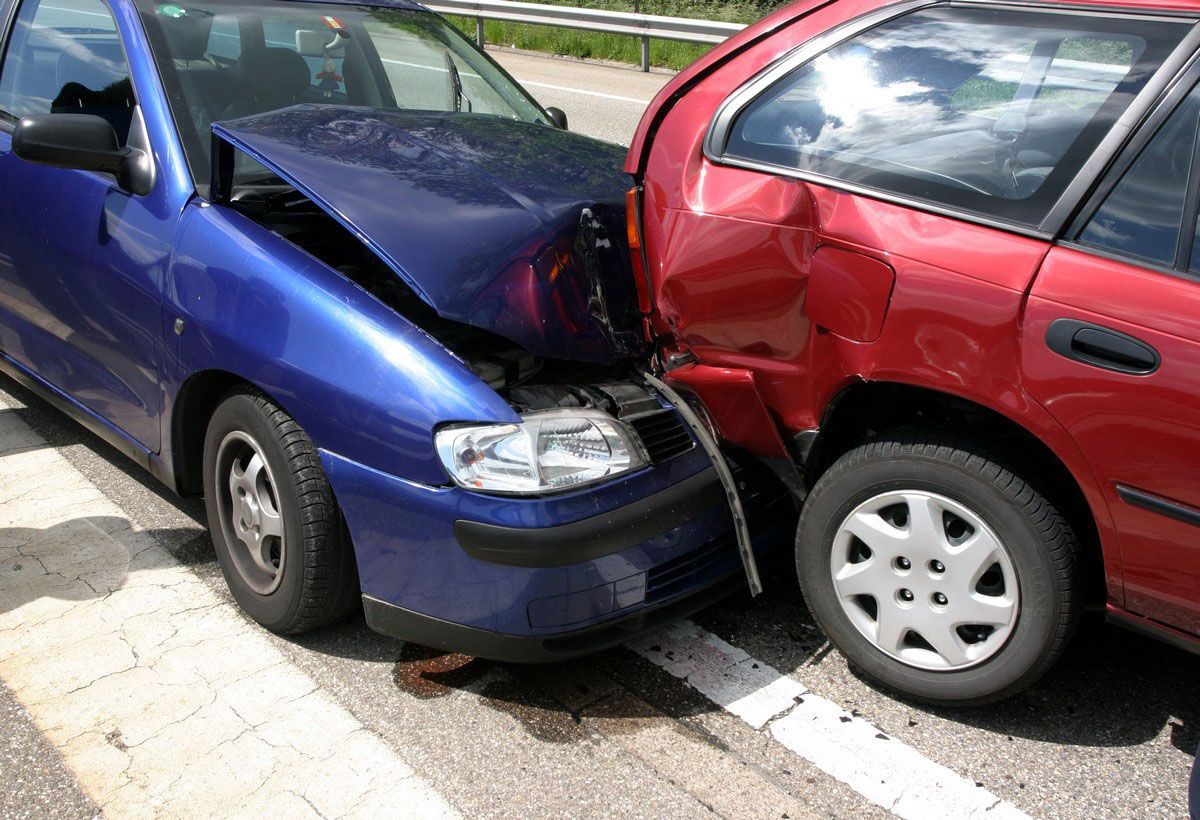
Vehicle collisions expose these fragile electronic assemblies to immense kinetic shock waves, physical displacement, and structural housing fractures. Even low-speed fender benders or minor bumper impacts can alter sensor mounting angles by fractions of a degree. While a fraction of a millimeter may seem insignificant across a car bumper, that minute misalignment projects outward into a margin of error measured in meters at highway distances. Thorough diagnostic scans during professional collision repair identify these subtle sensor displacements early, preventing hazardous system errors before the vehicle returns to the road.
Identifying Post-Impact System Malfunctions
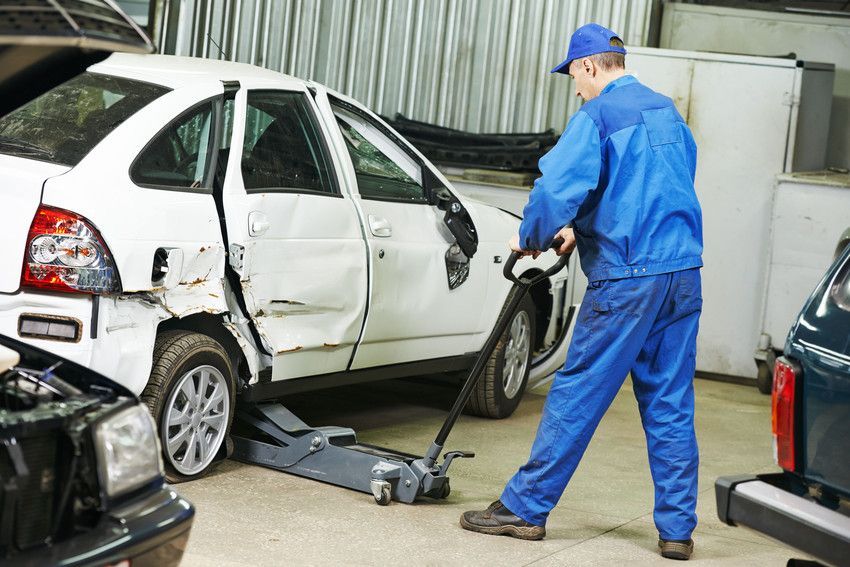
Vehicle impacts compromise ADAS functionality in multiple ways, ranging from outright physical component destruction to subtle electronic misalignments. Direct structural crushing can fracture delicate camera lenses, sever internal wiring harnesses, or crack sensor mounting brackets hidden behind plastic bumper covers. Furthermore, when body technicians remove and reinstall structural panels, side mirrors, or front grilles during standard collision repair, the factory mounting positions of embedded cameras and radar modules are inherently altered, requiring immediate technical realignment.
Operating a vehicle with uncalibrated ADAS hardware introduces frustrating operational glitches and severe safety hazards. Drivers may experience persistent false collision warnings, erratic lane-departure steering tugs, or sudden system shutdowns where automated safety features disengage entirely. In worst-case scenarios, an uncalibrated automatic emergency braking system may fail to recognize a stopping vehicle ahead, leading to secondary accidents. Identifying hidden electronic faults through pre-repair and post-repair diagnostic scanning during collision repair allows technicians to isolate digital inaccuracies, clear error codes, and restore full system integration.
Executing Static and Dynamic Calibration Procedures
Restoring ADAS accuracy following structural bodywork requires specialized technical methodologies known as static and dynamic calibration. Static calibration takes place inside a controlled workshop environment featuring level flooring, specialized lighting, and zero reflective distractions. Technicians place vehicle-specific targeting boards and laser alignment arrays at precise mathematical distances around the stationary vehicle. Connecting factory diagnostic software allows technicians to align internal sensor focal points with physical targets, ensuring the vehicle's computer interprets spatial dimensions accurately according to original equipment manufacturer specifications.
Conversely, dynamic calibration requires driving the vehicle along public roadways under specific speed parameters, weather conditions, and clear lane-marking environments. During this road test, a specialized diagnostic computer connects to the vehicle's onboard diagnostics port, allowing the system to self-index and align its camera and radar inputs against real-world traffic markers. Many modern vehicles require a dual-calibration approach, combining controlled indoor static targeting with outdoor dynamic road tests to verify sensor responsiveness. Completing both procedures as part of a complete collision repair guarantees that automated safety features react predictably in real-world driving conditions.
Navigating Technical Equipment and Facility Requirements
Executing accurate ADAS recalibration demands substantial capital investments in specialized diagnostic hardware, laser alignment tools, and certified technician training. Modern body shops must dedicate vast, level service bays outfitted with glare-free illumination and obstruction-free walls to accommodate precise static target boards. Technicians must possess advanced technical expertise, mastering automotive electronics, digital geometry, and complex software interfaces. Bypassing certified technicians or utilizing improvised alignment setups severely compromises sensor precision, putting drivers at risk of sudden safety system failures.
In addition to physical equipment investments, technicians must strictly adhere to detailed, manufacturer-specific repair protocols during every calibration phase. Each vehicle make and model features unique sensor tolerances, mounting heights, and target distance requirements that must be followed without deviation. Failing to follow exact manufacturer guidelines can invalidate vehicle warranties, violate regional safety standards, and expose repair facilities to severe legal liability following post-repair accidents. Certified collision centers prioritize continuous technical education, ensuring their staff executes every calibration according to rigorous factory standards.
Protecting Insurance Coverage and Legal Liability
Failing to perform necessary ADAS recalibrations following structural bodywork carries heavy financial and legal ramifications for vehicle owners and insurance policyholders. Insurance carriers increasingly mandate full diagnostic scanning and certified calibration procedures to ensure restored vehicles meet stringent highway safety standards before closing claims. If an uncalibrated sensor contributes to a secondary accident post-repair, insurance companies may dispute liability claims based on improper vehicle maintenance or documented repair neglect. Establishing a clear, documented paper trail of post-repair calibration protects your policy standing and preserves property value.
From a liability perspective, completing verified sensor calibration protects both property owners and collision facilities from legal exposure. Comprehensive calibration reports document pre-repair fault codes, specific target alignment measurements, and post-repair system validation tests, proving that every safety feature was fully restored to factory specifications. This rigorous digital documentation provides complete peace of mind, confirming that your vehicle's automated emergency braking, lane-keeping, and blind-spot detection systems will perform reliably when you need them most. Investing in certified digital restoration safeguards both your physical safety and your financial security.
Preserving Long-Term Vehicle Equity and Safety
Beyond restoring immediate mechanical and electronic functions, choosing a certified team that understands the nuances of modern automotive safety shields your long-term property investment. As vehicle technology rapidly evolves, maintaining detailed documentation of professional diagnostic scans and factory-spec calibrations preserves your car’s resale value and protects you from potential insurance liability disputes down the road. Entrusting your post-collision repairs to dedicated specialists provides true peace of mind, knowing that every camera, radar, and safety module has been meticulously restored to keep you and your passengers secure on every journey ahead.
Ensuring comprehensive ADAS recalibration after an accident is an absolute necessity for restoring modern vehicle safety, structural integrity, and daily driving confidence. From identifying hidden sensor displacements and correcting minute mounting angles to executing precise static targeting and dynamic road validations, digital alignment is as essential as physical bodywork. Prioritizing certified diagnostic procedures protects your family from dangerous false alarms, preserves manufacturer warranty standards, and ensures that automated emergency braking and lane-keeping systems operate flawlessly. Taking a proactive, safety-first approach to post-impact vehicle restoration converts complex electronic repairs into guaranteed, worry-free road performance. When your vehicle requires expert structural restoration paired with certified digital alignment, trust the experienced specialists at Somerset Collision to deliver complete, high-caliber collision repair care.