November 22, 2026
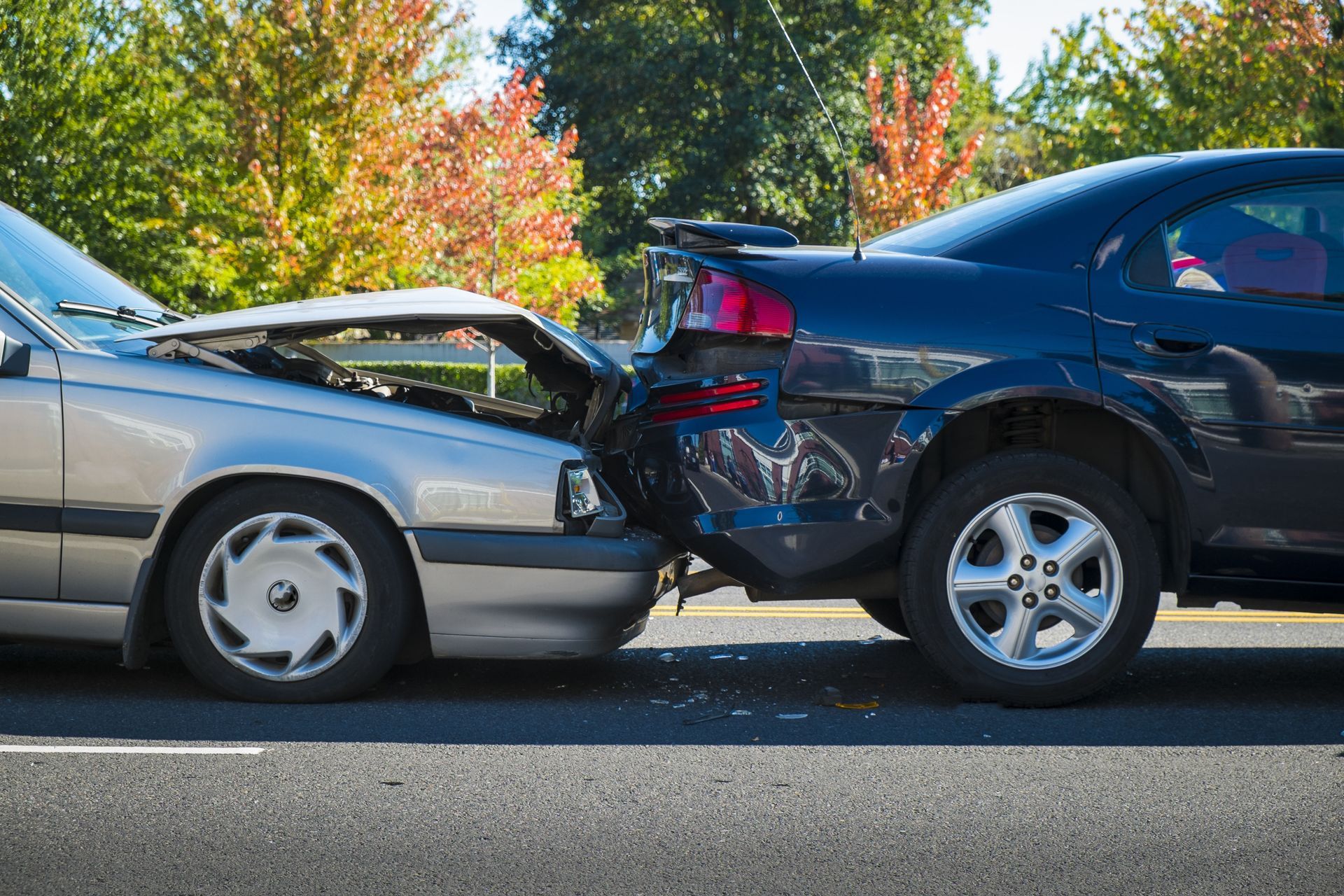
After a vehicle accident, dents, scratches, and broken parts are often the first things drivers notice. However, some of the most serious damage can occur beneath the surface, affecting a vehicle's structural integrity, mechanical performance, and overall safety. A thorough inspection goes beyond cosmetic concerns to identify problems that might otherwise remain hidden. Understanding what a collision repair expert checks can help vehicle owners recognize the importance of a comprehensive assessment before getting back on the road.
Inspecting the Vehicle Frame and Structural Components
One of the first priorities after an accident is determining whether the vehicle's frame or underlying structural components have sustained damage. Even a relatively minor collision can cause misalignment that affects how a vehicle handles and protects its occupants.
A collision repair expert examines the frame for bends, cracks, shifting, and other signs of structural damage. Specialized measuring equipment can help identify deviations from the manufacturer's original specifications, including problems that are difficult to detect through a visual inspection alone.
The inspection may include several areas, such as:
- Frame Rails: These structural components help support the vehicle and absorb impact forces. Technicians check for bending, twisting, or other deformations.
- Crush Zones: Designed to absorb energy during a collision, these areas must be evaluated for damage that could affect their ability to protect occupants in another accident.
- Mounting Points: Damaged mounting locations can affect the positioning of other vehicle components and create additional alignment concerns.
- Structural Panels: Certain body panels contribute to the vehicle's overall strength, making their condition important during the repair process.
Identifying structural problems early helps ensure the necessary frame straightening and collision repairs address more than the vehicle's outward appearance.
Evaluating the Windshield and Other Glass Components
Auto glass plays a more important role in vehicle safety than many drivers realize. A windshield does more than protect occupants from wind, rain, and road debris. It also contributes to the vehicle's structural integrity and supports important safety functions.
According to the Auto Glass Safety Council, a windshield can provide up to 45% of the structural integrity of a vehicle's cabin during a front-end collision. This makes identifying cracks, weakened areas, and improper glass positioning an important part of a post-accident inspection.
A collision repair expert checks the windshield for chips, cracks, and damage around its edges. Even when the glass appears mostly intact, the impact may have compromised its condition or the materials securing it to the vehicle.
Other glass components also deserve attention, including:
- Side windows that may have sustained cracks or shifted within their frames.
- Rear windows that could have been weakened by impact forces.
- Window seals that may have become loose or damaged.
- Glass mounting areas that could affect proper positioning and stability.
If damage is present, windshield replacement or other appropriate glass repairs may be necessary to restore visibility and structural support.
Checking the Suspension and Steering Systems
A collision can affect the suspension and steering systems even when the wheels and tires appear undamaged. These components help maintain vehicle stability, control, and handling, so problems can create serious safety concerns.
During an inspection, technicians look for bent suspension components, damaged connections, and signs of misalignment. They also evaluate whether the impact affected the steering system or changed how the wheels respond to driver input.
Some potential warning signs include:
- A steering wheel that sits crooked when driving straight.
- A vehicle that pulls toward one side.
- Unusual vibrations or noises while driving.
- Uneven tire wear following an accident.
- Difficulty maintaining control or navigating turns.
A collision repair expert may recommend suspension repairs or wheel alignment services when the inspection reveals related damage. Addressing these concerns helps restore predictable handling and reduces the risk of additional wear on other vehicle components.
Examining the Bumpers and Hidden Body Damage
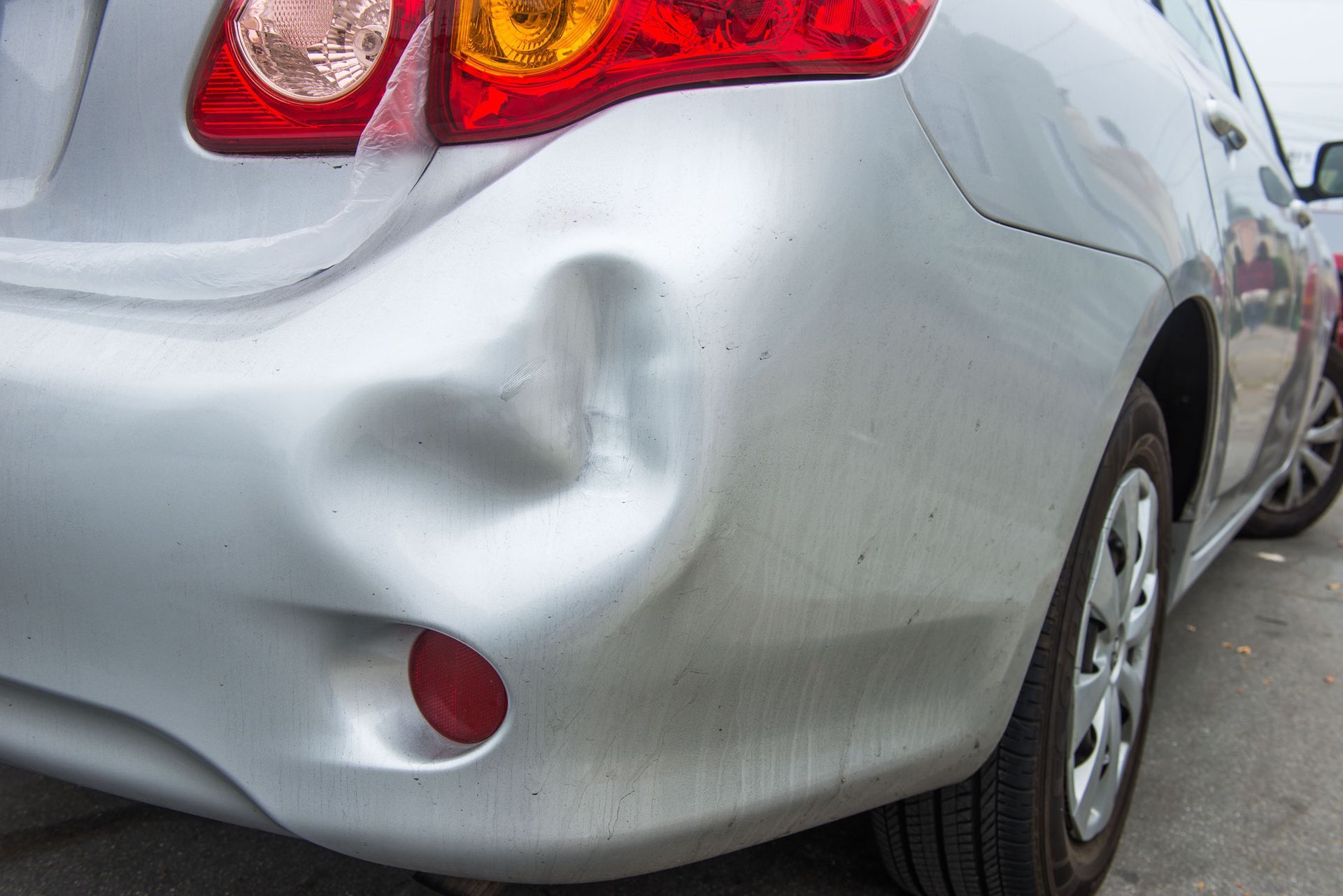
Bumpers are designed to absorb and distribute impact forces, but their exterior appearance does not always reveal the full extent of an accident's damage. A bumper may have only a few scratches while the components underneath have sustained significant damage.
Technicians remove or inspect damaged exterior panels when necessary to evaluate the underlying structures. This allows them to identify problems that might otherwise be overlooked during a basic visual assessment.
Important components to examine include:
- Bumper Reinforcement: The internal structure may be bent, cracked, or weakened after absorbing an impact.
- Impact Absorbers: These components help manage collision forces and may require replacement if they have been compressed.
- Mounting Brackets: Broken or shifted brackets can prevent the bumper from sitting correctly.
- Adjacent Body Panels: Damage may extend into nearby fenders, quarter panels, or other connected areas.
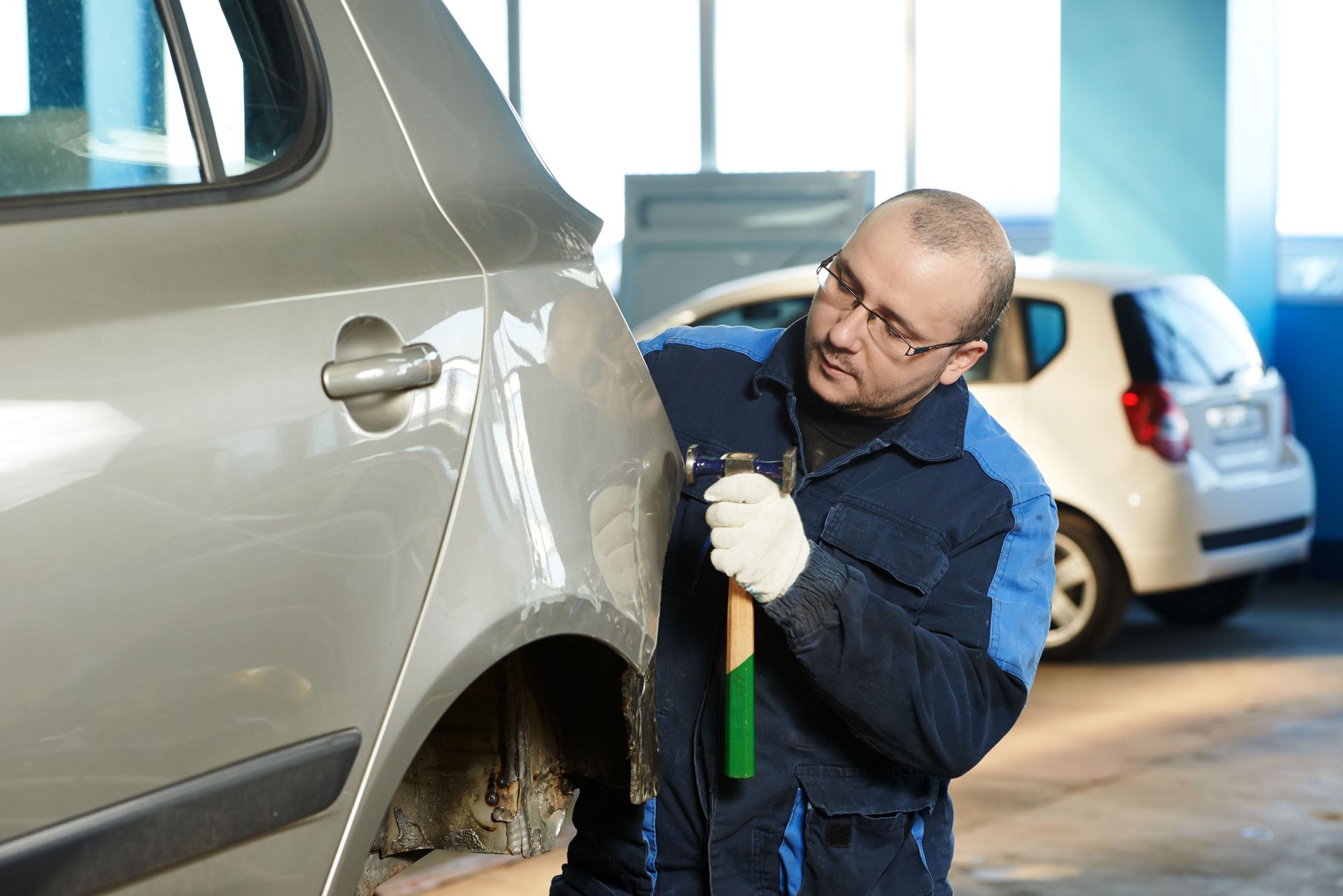
A collision repair expert considers how these components work together rather than focusing exclusively on visible dents or scratches. Proper dent repair, bumper repair, and panel refinishing can then be planned according to the actual condition of the vehicle.
Assessing the Mechanical and Electrical Systems
Not all collision damage involves the vehicle's exterior or structural components. Impact forces can also affect mechanical and electrical systems, sometimes creating problems that do not become noticeable until the vehicle is driven again.
Technicians assess relevant mechanical components to identify issues that could affect performance or reliability. Depending on the location and severity of the impact, this evaluation may include the engine, transmission, brakes, steering components, and other affected systems.
Electrical components also deserve attention. Damaged wiring, loose connections, or compromised mounting points can interfere with the operation of important vehicle functions.
A comprehensive assessment may involve checking:
- Warning lights or unusual dashboard indicators.
- Electrical connections and visible wiring damage.
- Brake components and related mechanical systems.
- Engine or transmission concerns associated with the impact.
- Unusual sounds, vibrations, or changes in vehicle performance.
A collision repair expert can use diagnostic equipment and hands-on inspections to identify mechanical problems that might not be immediately apparent. Addressing these issues alongside body repairs helps ensure the vehicle is restored to a dependable operating condition.
Reviewing the Interior and Occupant Safety Features
The vehicle's interior can also reveal evidence of damage that is not obvious from the outside. During a collision, occupants and interior components may experience sudden movement, pressure, and impact forces.
Technicians examine areas such as the dashboard, upholstery, door panels, and other interior surfaces for signs of damage. They may also look for displaced components, broken trim, and other problems that could affect comfort or functionality.
Airbag deployment is another important consideration. If airbags have activated, the associated components require appropriate evaluation and repair. Even when airbags have not deployed, the collision may have affected related interior safety components.
Interior repairs may include upholstery restoration and dashboard reconditioning when these areas have sustained damage. A thorough inspection helps identify concerns that could otherwise be overlooked when attention is focused primarily on the vehicle's exterior.
Verifying Alignment and Overall Repair Quality
Once the necessary damage has been identified and addressed, the vehicle should undergo a final evaluation to confirm that the repairs have restored its condition and functionality.
Technicians review the repaired areas to check for proper panel positioning, consistent gaps, secure attachments, and an appropriate paint finish. They also verify that doors, windows, and other moving components operate as intended.
Mechanical and suspension-related concerns should be reassessed when applicable. Proper alignment helps ensure the vehicle handles correctly, while a final inspection can reveal problems that need additional attention before the repair process is complete.
A collision repair expert understands that successful repairs involve more than making a vehicle look like it did before an accident. Every affected system and component must be considered to support safe, reliable operation.
Choosing a Thorough Collision Repair Inspection
Visible damage only tells part of the story after an accident. Hidden structural problems, compromised glass, suspension damage, and mechanical concerns can all affect how safely a vehicle performs. Having these areas evaluated by experienced professionals helps identify necessary repairs before smaller problems become more complicated.
Somerset Collision provides professional collision and frame repairs, glass and interior repairs, mechanical and suspension services, and paint and cosmetic work for drivers in Somerset, WI, and surrounding communities. The team takes a comprehensive approach to restoring vehicles after accidents, helping customers address both visible damage and underlying concerns. Contact Somerset Collision today to request a free estimate and get the professional collision repair assistance your vehicle needs.