June 23, 2026
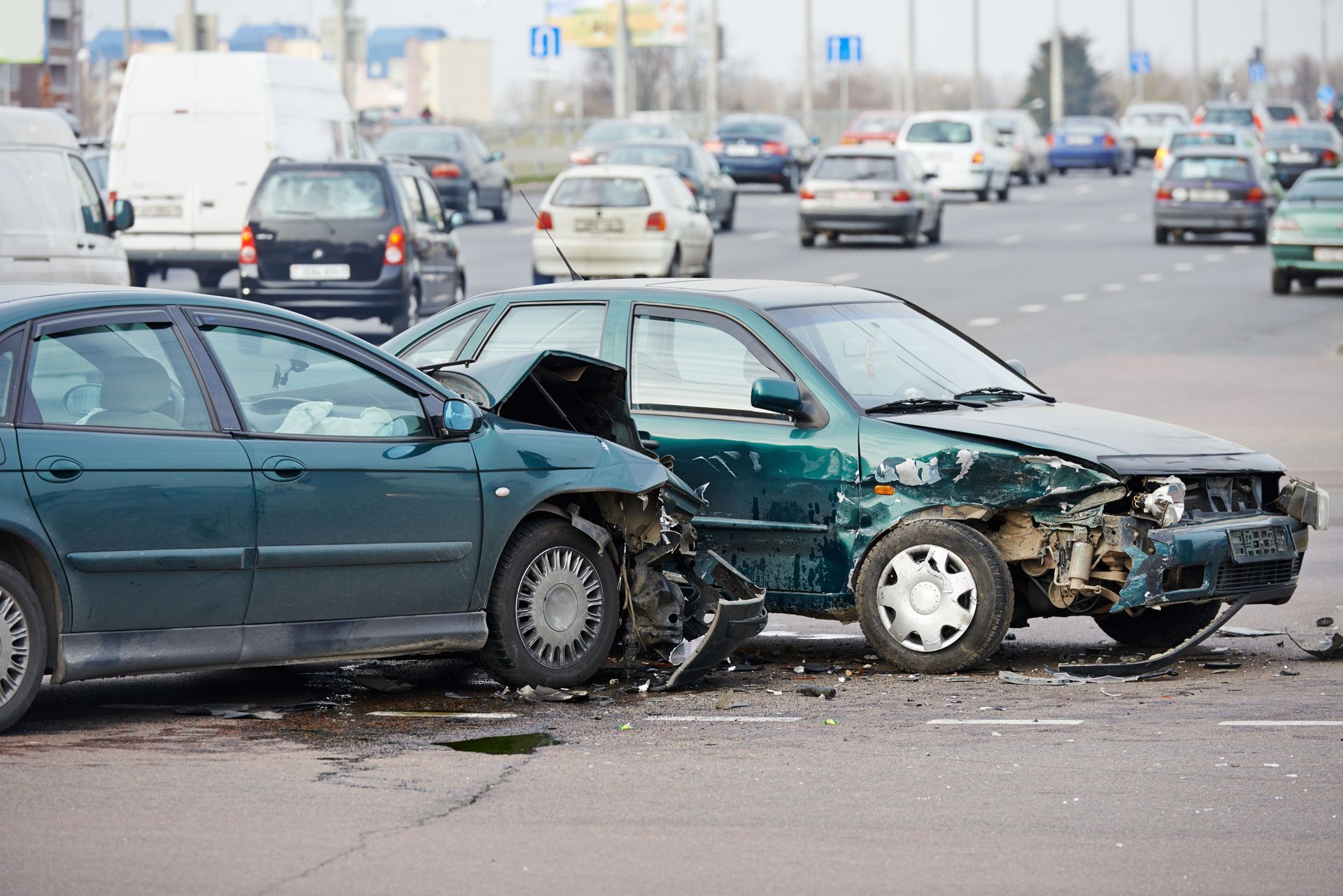
Understanding the right questions to ask your local collision repair shop is crucial in ensuring quality service, transparent communication, and long-term peace of mind after an accident. Vehicle repairs often involve multiple steps, from structural assessments to paint matching and safety inspections, and not all shops follow the same standards or processes. What seems like a straightforward bumper repair can sometimes involve hidden frame damage, sensor recalibration, or component replacement that significantly affects both cost and safety outcomes.
Choosing a reputable local collision repair shop is not just about convenience—it directly affects the safety, value, and performance of your vehicle after repairs. Many drivers underestimate how much variation exists between facilities, but asking the right questions can quickly reveal differences in training, equipment, and customer care. A reliable local collision repair shop will be open about its process, explain its recommendations clearly, and help you understand what is happening at each stage of the repair. In many cases, the quality of communication you receive upfront is a strong indicator of how transparent the entire repair experience will be.
The U.S. collision repair industry itself is substantial and steadily evolving. According to Grand View Research, the U.S. automotive collision repair market size was valued at USD 36.66 billion in 2023 and is projected to grow at a compound annual growth rate of 0.8% from 2024 to 2030. This growth reflects the ongoing need for qualified repair professionals and reinforces why selecting the right local collision repair shop has become more important than ever. As vehicles incorporate more advanced safety systems, even minor repairs now require higher technical precision than in previous decades, meaning the stakes for choosing the right shop are significantly higher than they once were.
What Certifications Does Your Local Collision Repair Shop Have?
One of the first and most important questions to ask any local collision repair shop is what certifications they hold. Certifications demonstrate that technicians have undergone formal training and meet industry-recognized standards for safety and repair quality. These credentials may come from vehicle manufacturers, independent training organizations, or industry groups focused on collision repair excellence, and each type of certification reflects a different level of specialization.
A well-qualified local collision repair shop will often display certifications from automakers or organizations such as I-CAR, indicating that technicians are trained in modern repair techniques, including advanced driver assistance systems, high-strength steel repair, and aluminum body repair. These qualifications are particularly important as vehicles become more technologically complex, especially with the widespread use of sensors and calibration-dependent safety features. Without proper training, even small mistakes can affect airbag deployment or collision warning systems.
Asking about certifications also helps you understand whether a local collision repair shop is keeping up with evolving standards. A shop that invests in ongoing training is more likely to perform repairs that preserve your vehicle’s structural integrity and safety features. It can also give you insight into whether the shop specializes in your specific make or model, which may be critical for newer vehicles with proprietary systems.
Can You Provide A Detailed Estimate?
A detailed estimate is essential for understanding the full scope and cost of repairs before work begins. Any reputable local collision repair shop should be willing to provide a written breakdown that outlines labor, parts, paint materials, diagnostic fees, and any additional services required. This level of detail helps you avoid ambiguity and gives you a clearer picture of how the repair cost is structured.
When reviewing an estimate from a local collision repair shop, transparency is key. Vague descriptions or lump-sum pricing can make it difficult to understand what you are actually paying for, and it can also hide differences in part quality or repair methodology. A clear estimate should specify whether replacement parts are original equipment manufacturer (OEM) components, refurbished parts, or aftermarket alternatives, as each option has implications for durability, fit, and long-term vehicle value.
It is also worth noting that pricing in the collision repair industry can vary widely depending on vehicle type, damage severity, labor rates, and parts availability. A trustworthy local collision repair shop will walk you through the estimate line by line and explain why each repair is necessary, rather than pressuring you into quick approval.
Do You Offer A Warranty On Repairs?
A warranty is one of the strongest indicators of confidence in workmanship. Before agreeing to repairs, ask whether the local collision repair shop offers any form of written warranty on parts and labor, and make sure you understand exactly what conditions apply. Warranties vary widely, so clarity here matters just as much as the existence of coverage itself.
Most reputable facilities provide warranties that cover issues such as paint defects, improper installation, corrosion concerns, or premature part failure. This type of protection ensures that if something goes wrong after you leave the shop, you are not left paying for the same repair twice, which can otherwise become a significant financial burden. Some warranties are nationwide, while others are limited to the specific shop that performed the work.
How Do You Match Paint Colors?
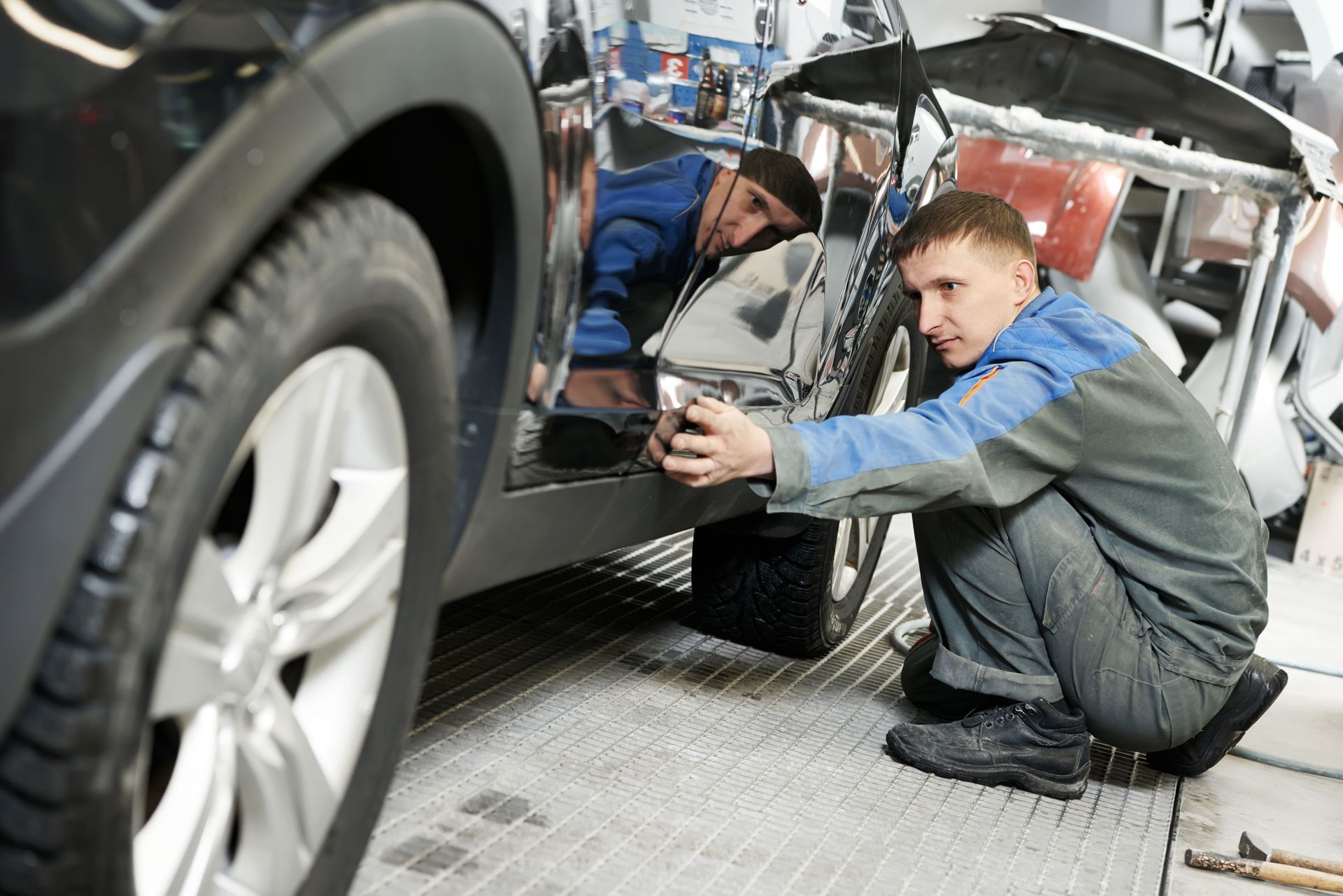
Paint matching is one of the most technically demanding aspects of vehicle repair. Even slight color variations can make repaired areas noticeable, reducing the aesthetic value of your car and affecting resale value. That is why it is important to ask any local collision repair shop how they approach paint matching and blending.
Modern shops often use computerized color-matching systems that analyze your vehicle’s existing paint code and generate precise formulations. However, environmental factors such as sun exposure, oxidation, and aging of factory paint can still affect final results. Skilled technicians at a reputable local collision repair shop will account for these variables and may blend paint across adjacent panels to ensure a seamless finish that visually integrates repaired areas with the rest of the vehicle.
A quality paint job requires both advanced tools and experienced hands, and the difference is often visible in how well the finish holds up over time. When a local collision repair shop takes pride in its refinishing process, it is usually reflected in consistency, gloss uniformity, and durability under varying weather conditions. Some shops also perform multi-stage inspections during the painting process to ensure accuracy before final curing.
How Long Will The Repair Process Take?
Timeframes for collision repair can vary significantly depending on the extent of the damage, parts availability, insurance approvals, and shop workload. Asking for an estimated timeline helps you plan transportation, manage expectations, and reduce uncertainty while your vehicle is being repaired.
A professional local collision repair shop will provide a realistic schedule rather than an overly optimistic one, since experienced technicians understand how often hidden damage appears once repairs begin. While minor cosmetic repairs may take only a few days, more complex structural or frame damage can take weeks or longer, depending on parts sourcing and diagnostic requirements.
Clear communication is essential throughout this process. A reliable local collision repair shop will update you if timelines change and explain the reasons behind any delays rather than leaving you guessing. This level of transparency helps build trust and reduces frustration during what can already be a stressful situation.
Choosing the right repair facility after an accident is about more than convenience—it is about ensuring your vehicle is restored safely, correctly, and in accordance with modern automotive standards. By asking about certifications, estimates, warranties, paint matching, and repair timelines, you can better evaluate any local collision repair shop before committing to service and avoid many of the common pitfalls that lead to poor repair outcomes.
A trustworthy local collision repair shop will welcome these questions and provide clear, confident answers that reflect their expertise and professionalism. With the right information and expectations, you can move forward knowing your vehicle is in capable hands and properly restored for the road ahead. If you're looking for an experienced collision repair shop, reach out to the team at Somerset Collision today!